

Small size, real needs
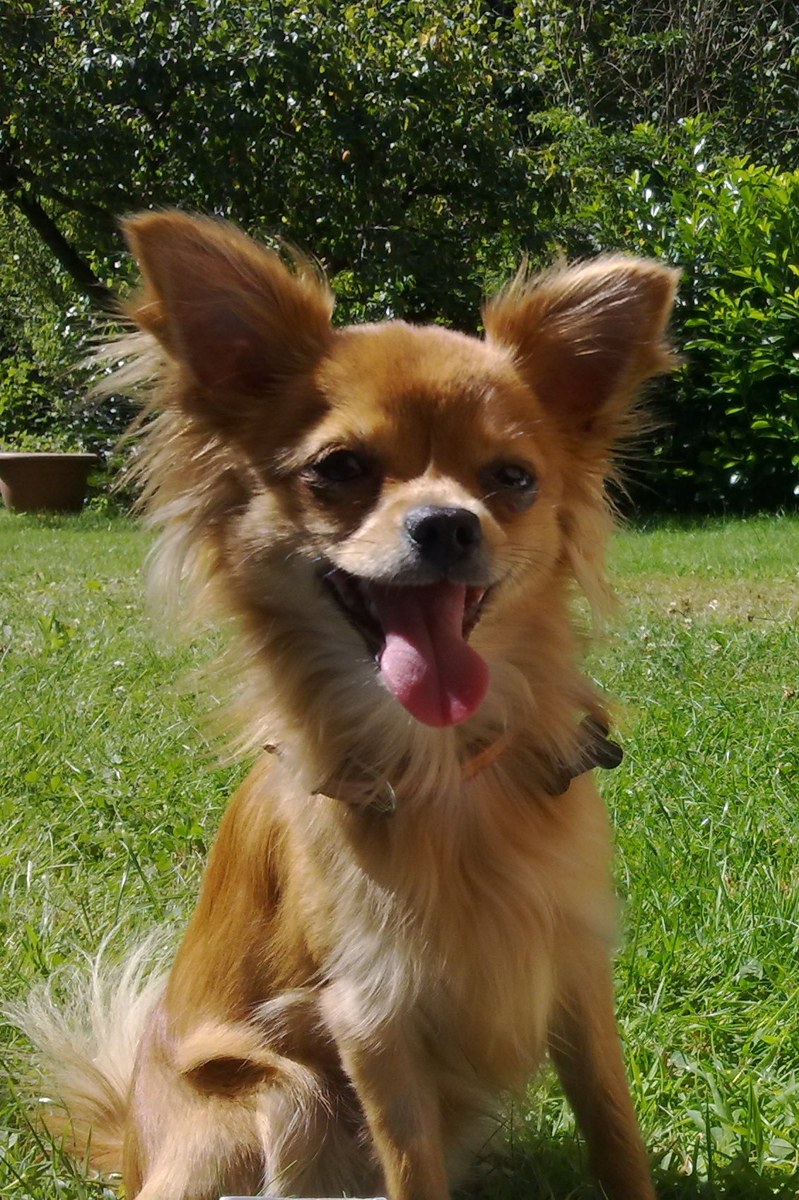
A Chihuahua can bring a lively presence to a small home, but being easy to carry is not the same as being easy to care for. Dogs Australia lists smooth-coat and long-coat Chihuahuas separately within its Toy group; this reader guide covers both together. Its smooth-coat standard describes an alert, quick-moving dog. Coat variety does not tell you whether an individual will enjoy visitors, tolerate other dogs or settle comfortably alone. Dogs Australia standard
Choose the dog in front of you rather than a social-media stereotype. Some are outgoing; others need more space and patient introductions. A frightened small dog deserves the same respectful handling as a frightened large dog. Do not turn growling or attempts to escape into entertainment.
Exercise and confidence
Provide regular, manageable walks, sniffing opportunities and play. A garden is useful, but it is not a complete substitute for varied experiences. Choose equipment that fits securely and check gates for small escape gaps. Busy dog parks with boisterous larger dogs may not be the best place to build confidence.
Use short reward-based lessons to teach recall, loose-lead walking and settling. Introduce new people and environments at a pace the dog can handle. Picking a dog up may sometimes be necessary for safety, but constant carrying should not replace opportunities to explore safely on the ground. Toilet training benefits from frequent opportunities, an accessible toilet area and calm consistency rather than punishment after accidents.
Coat care and comfortable handling
Smooth coats usually involve less detangling than long coats, but both varieties need routine care. Long-coated dogs need attention to feathering and areas prone to knots. Check nails, skin and equipment fit regularly. If a coat is needed in cool weather, choose one that permits normal movement and remove it if the dog becomes uncomfortable or too warm.
Make a house safe at Chihuahua height: watch closing doors, furniture jumps and feet under blankets. Children should learn to interact while sitting down, with adult supervision. A small body is not an invitation to carry a dog around like a toy. Provide an undisturbed sleeping place and manage introductions to other pets carefully.
Health questions worth asking
Dental care should be part of the plan from the beginning. Royal Veterinary College research identifies dental disease and retained baby teeth as important Chihuahua concerns. Ask your vet to check the mouth and explain preventive care. That research also highlights traumatic injury; it does not mean every Chihuahua will experience the same problems. RVC Chihuahua research
Introduce tooth brushing gradually with suitable dog toothpaste and veterinary guidance. Home care does not remove the need for professional assessment or treatment. Cornell dental-care advice
Do not make extreme smallness the shopping goal. Labels such as “teacup” are not a substitute for evidence about soundness, welfare or the individual dog's needs.
Ask before buying or adopting
- What documented health checks and family history can you share? - Has a vet assessed retained teeth or any existing dental problem? - What does this dog do around strangers, children and larger dogs? - What daily routine and alone-time support have worked so far? - What ongoing care costs should I expect?