Elegant does not mean ornamental
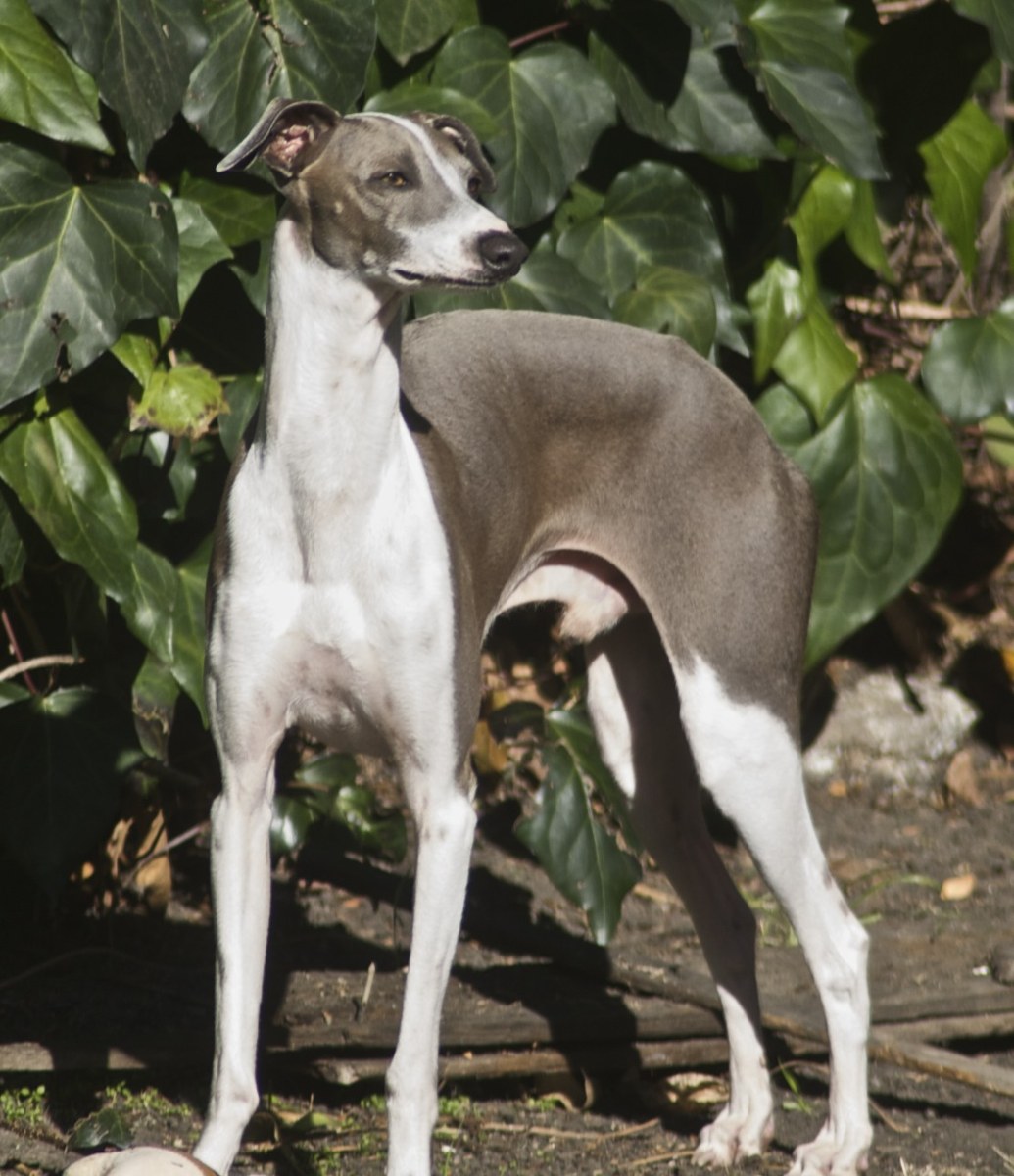
An Italian Greyhound may look delicate curled on a sofa, but it is still a quick-moving small sighthound. Dogs Australia describes an affectionate, lively and intelligent dog that can appear reserved. It belongs to the Australian Toy group, even though its build and instincts set it apart from many companion breeds. Expect an individual personality, not a guaranteed combination of quietness and cuddles. Dogs Australia breed standard
For prospective owners, the useful question is not simply whether the dog fits in the home. Can you provide safe activity, thoughtful handling, warm resting places and a routine that respects its comfort? Small size does not remove those commitments.
Exercise with safety in mind
Provide walks, sniffing and opportunities for suitable play. A secure enclosed space is preferable for free running; do not rely on recall beside traffic or around wildlife. Check fences and gates carefully. Practise coming when called with rewards while keeping management in place where a chase could have serious consequences.
Choose playmates carefully rather than assuming all dogs should mix at a busy park. Avoid situations where a small dog is bowled over by larger animals. At home, reduce slippery routes and risky furniture launches, particularly for puppies. These are sensible precautions, not a reason to prevent normal movement or keep the dog permanently confined.
Training and home life
Use short, encouraging lessons for walking equipment, handling, recall and settling. A dog that hesitates in an unfamiliar setting may need distance and time, not pressure. Toilet training benefits from a predictable schedule and an accessible, comfortable toilet area. Plan for wet or cold days rather than allowing weather to make that routine inconsistent.
Children should interact calmly at floor level with adult supervision. Do not let them carry the dog from room to room or turn chasing into a game. Introductions to cats and other pets need individual assessment; a friendly relationship with one animal does not prove safety with every small animal.
Coat, comfort and health
The short coat needs less detangling than a long-coated toy breed, but grooming is not finished there. Keep up with nails, skin checks and teeth. Provide comfortable bedding and appropriate protection when the dog is cold; clothing should fit without restricting movement. Hot weather still requires sensible timing, shade and access to water.
Dental disease and fractures were prominent concerns reported in the Italian Greyhound breed club's 2025 owner survey. This is a useful welfare signal, not a population-wide prediction or a diagnosis for an individual dog. Ask about previous injuries and dental treatment when considering an adult. Italian Greyhound health survey
Discuss tooth brushing and professional dental assessment with your vet. Home care cannot replace treatment of an existing painful mouth. Cornell periodontal-disease guidance
Ask before buying or adopting
- What documented health screening and family history can you explain? - Has this dog had fractures, dental procedures or ongoing medication? - What environments and animals does it comfortably cope with? - How have toilet training, handling and short separations been introduced? - Can our household manage safe play and unexpected veterinary costs?