Why this breed stands out
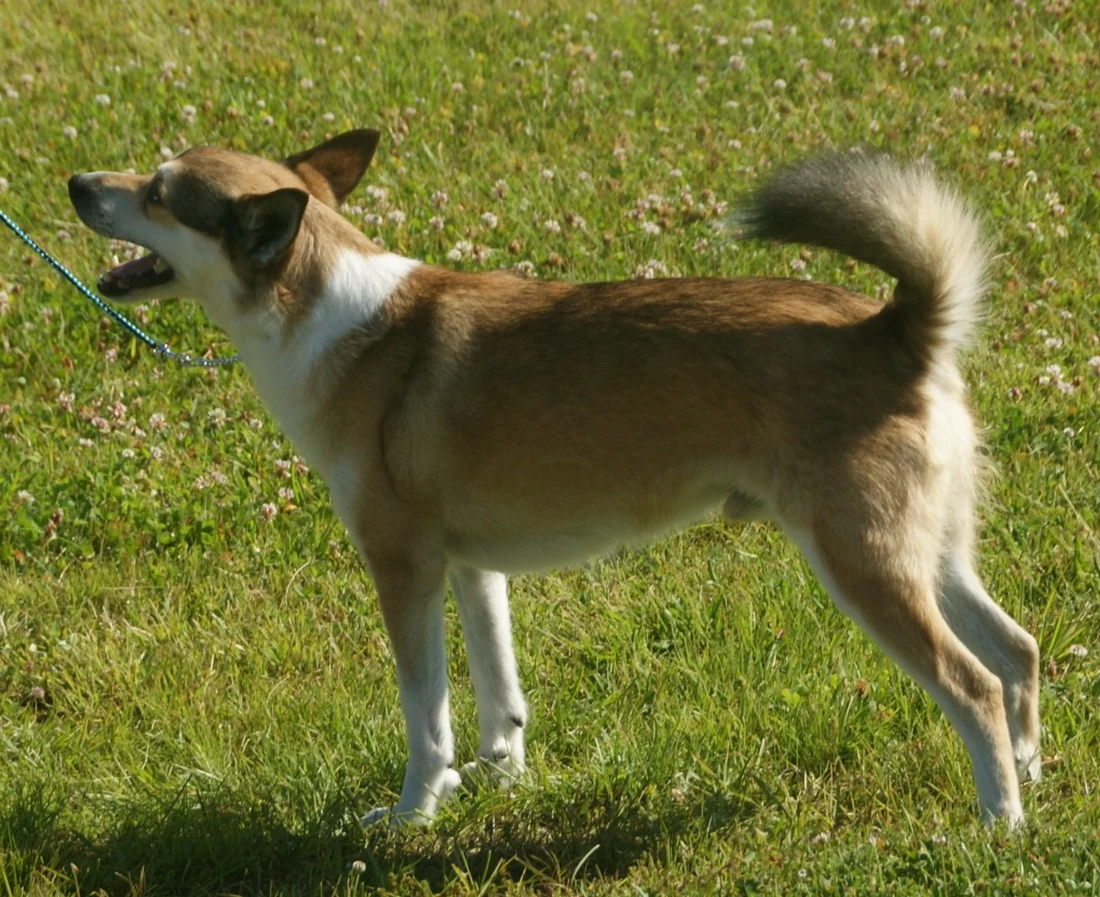
The Lundehund has a particularly unusual combination of physical features: at least six toes on each foot, extra paw pads, flexible shoulders and ears that can fold closed. These features are associated with its historical work retrieving puffins from difficult terrain and narrow spaces on Norway's coast. Its inclusion is therefore about specialised anatomy and working history, not simply an unfamiliar name. For today's owner, careful paw and nail care matters. The dog's flexibility should never be tested or manipulated for entertainment or a photograph.
Sources: Breed reference 1 · Breed reference 2.
In Australia: availability and where to start
Current Australian breeder route not confirmed.
We could not verify a current Australian Norwegian Lundehund breeder or litter in the sources checked. Avoid treating generic Australian price pages as evidence that puppies are actually available. Start with your state or territory Dogs Australia member body and ask whether it can identify knowledgeable local contacts and explain the breed's current registration position. A missing directory listing does not prove there are no Lundehunds in Australia. Treat any overseas search as a separate, carefully researched project rather than assuming importation is straightforward.
Start here: Dogs Australia state and territory contacts.
Availability sources checked: . Listings are enquiry routes, not endorsements or confirmation of a current litter.
Compare all ten breeds and read the breeder-checking checklist →
What makes the Lundehund unusual?
The Norwegian Lundehund comes from Norway's coastal puffin-hunting tradition. Its unusual anatomy includes extra toes and paw pads, flexible shoulders and ears that can fold closed. Those features reflect a specialised history on difficult terrain. They are not an invitation to manipulate the dog's joints or test its flexibility for a photograph. [1]
What is it like as a companion?
This is a small, alert and athletic dog, rather than a decorative curiosity. Breed descriptions emphasise sensitivity and clever problem-solving. Gentle, reward-based teaching and careful introductions are more useful than trying to force confidence. Provide daily activity and opportunities to explore safely, while adjusting expectations to the individual dog's age, health and experience. [1]
Ask to meet adult dogs and observe how they recover after a surprise, settle at home and respond to handling. A breed's unusual history cannot tell you whether one particular dog will suit your household. For an Australian home, discuss the actual daily environment with the breeder or rescue: visitors, existing animals, time alone, outdoor security and access to experienced support.
What care deserves special attention?
The double coat benefits from regular brushing, and the extra toes make a careful nail-care routine especially worth discussing. [1] Practise comfortable paw handling rather than treating the feet as a novelty.
Health is a central ownership question. Lundehunds have a predisposition to intestinal lymphangiectasia, a serious intestinal disease often discussed as Lundehund syndrome. [2] Ask the breeder about family health history and speak with your vet about the implications before committing. A generic statement that a breed is healthy should not replace that conversation. Ask also about the eye and patella evaluations listed by the breed club through the AKC. [1]
The Lundehund rewards serious research. Its distinctive body is interesting; a realistic plan for lifelong care is the more important reason to pause and learn.
Sources
1. American Kennel Club: Norwegian Lundehund breed and care profile
2. Melis and colleagues: Genetic Rescue of the Highly Inbred Norwegian Lundehund
Screening reference: AKC national breed-club health-testing recommendations (see the norwegian lundehund entry).