
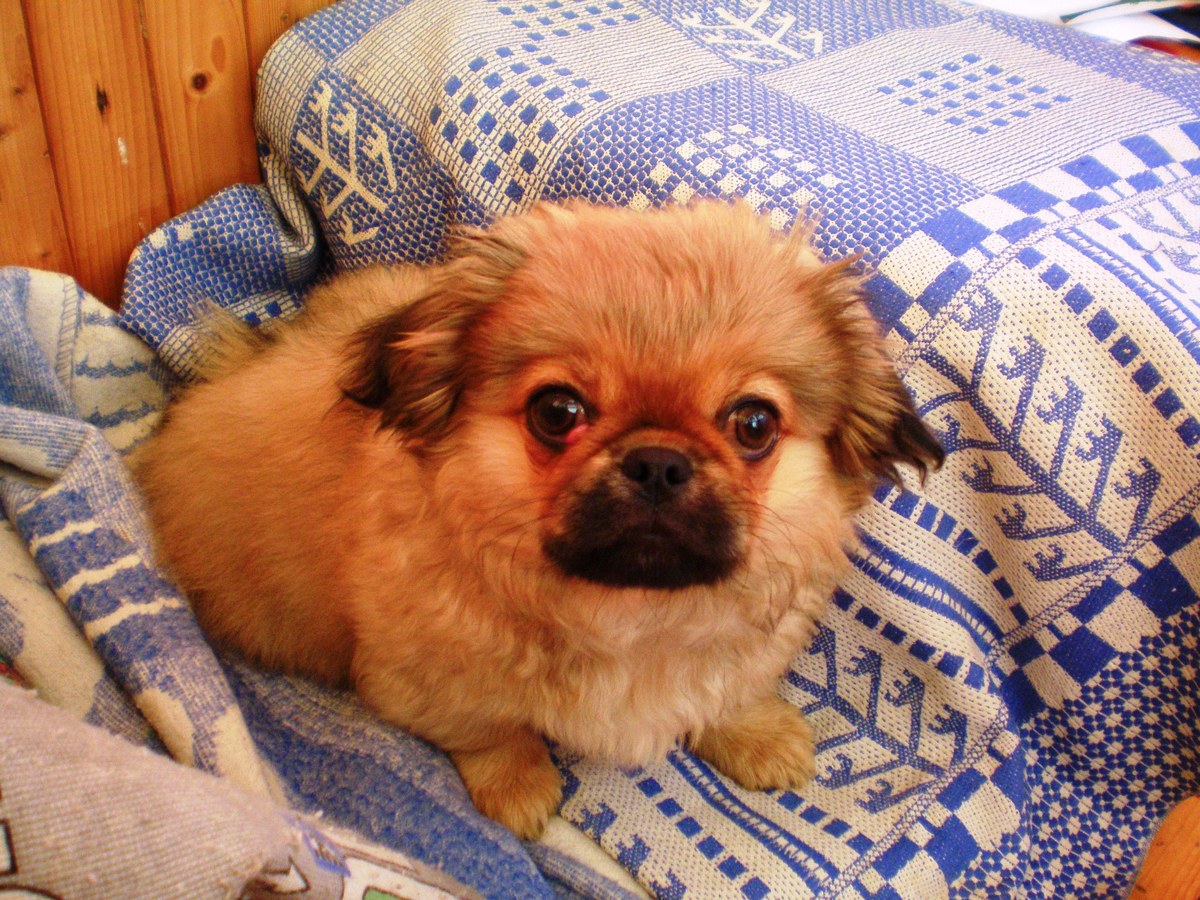
The Pekingese has a long history as a companion in China and a distinctive, self-possessed presence. Its small size can make it attractive to people wanting an indoor companion. However, any responsible profile must look beyond the coat and expression: the breed's short face creates important health and welfare concerns.
Size and household fit
Dogs NSW's breed information lists ideal show-weight limits of 5 kg for males and 5.4 kg for females. These figures describe a standard, not a weight-loss target for every dog. Your vet should assess an individual dog's build and body condition.
A quieter home with gentle handling may be a better starting point than a household expecting rough-and-tumble play. Small dogs need choice about contact too. Let the dog approach, supervise children and create a resting place that visitors and other pets respect. Personality varies: avoid treating a breed label as a guarantee of friendliness, independence or behaviour around children.
Breathing comes before appearance
The University of Cambridge's BOAS information explains how shortened facial structure can obstruct breathing. Pekingese are among the affected breeds. This is not simply a cosmetic difference or a charming tendency to snuffle.
A Cambridge-led study reported in 2026 identified substantial breathing abnormalities among the Pekingese studied. That research should inform a careful discussion with your vet before acquiring one; it is not a diagnosis of every individual dog. Ask for a respiratory assessment and detailed family health history, rather than relying on a seller saying noisy breathing is normal.
Activity in Australian weather
Daily enrichment still matters. Discuss suitable walks and activity with your vet, choose comfortable conditions and allow the dog to stop. Do not push a reluctant dog to keep up with a fixed distance. Keep the home comfortably cool and plan transport carefully. Exercise intolerance, repeated noisy breathing or struggling to recover after activity need veterinary attention; collapse or severe breathing difficulty is an emergency.
Calm learning games can add interest without turning every outing into an endurance test. Practise coming when called indoors, settling on a mat and accepting gentle grooming with rewards. Choose achievable steps rather than labelling a dog stubborn when a task is uncomfortable or unclear.
Coat care and practical costs
The Royal Kennel Club's profile identifies daily grooming needs. Budget time to check and carefully comb the long coat, plus professional help when needed. Ask your vet or groomer to show you safe care around the face and eyes. A red, sore or persistently watery eye deserves veterinary assessment, not a cosmetic remedy.
Choosing responsibly
Pause before buying for looks. Discuss less exaggerated alternatives and whether adopting an assessed adult dog could suit your circumstances. If considering a Pekingese, ask about breathing, eye health, previous treatment, family history and realistic ongoing costs. Be prepared for veterinary expenses beyond routine preventive care. The aim is a comfortable life for the dog, not simply finding a small breed that fits the lounge room.