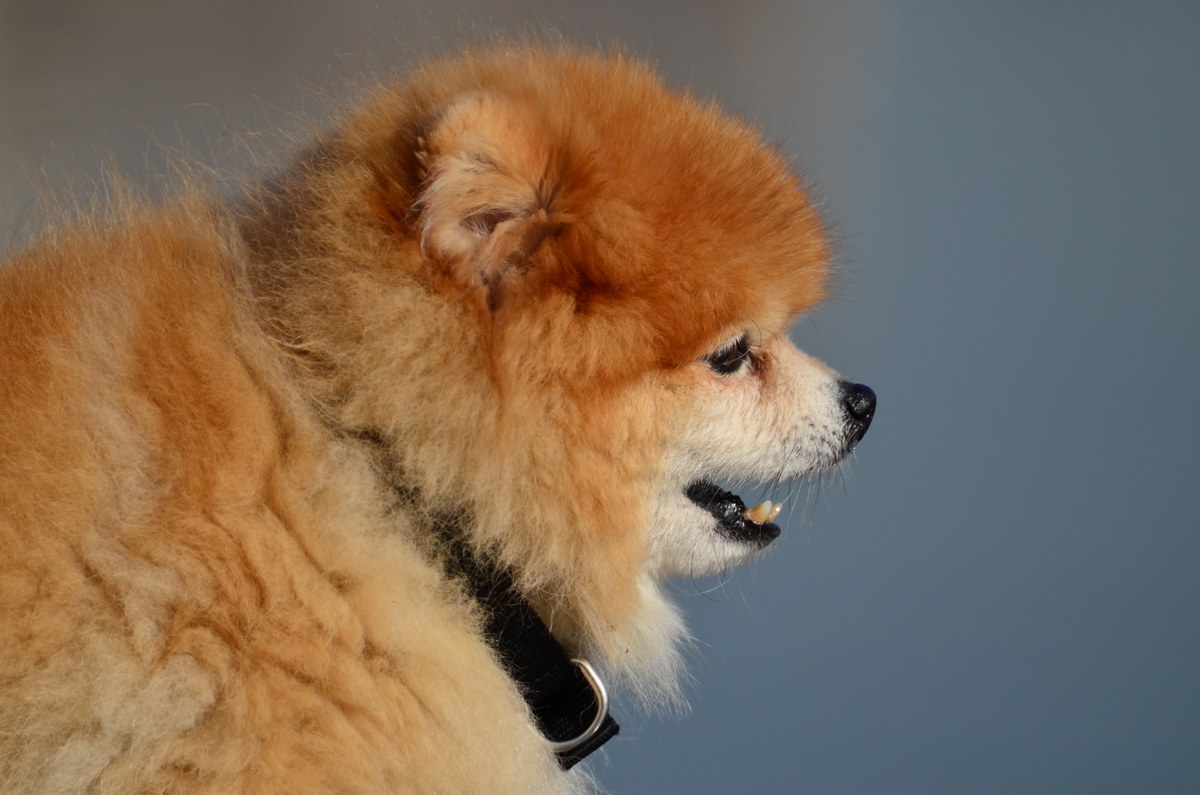
A Pomeranian may fit neatly beside you on the sofa, but its personality is unlikely to stay in the background. This small spitz can bring enthusiasm, curiosity and a watchful interest in household activity. Before choosing one, think less about how little space its bed needs and more about the time you can offer for training, grooming and company.
Size and temperament
The Dogs Australia standard places the Pomeranian in Group 1, Toys, and describes a lively, outgoing dog. Its ideal show weights are approximately 1.8–2 kg for males and 2–2.5 kg for females. Individual pets can fall outside these figures: they are not feeding targets, and smaller is not automatically better. Ask your vet about your own dog's healthy body condition.
An alert companion may notice the postie, a neighbour's door or another dog outside. Rather than expecting silence, plan how to teach calm responses. Breed descriptions describe tendencies, not a promise that every puppy will behave the same way.
Daily activity and training
Build a day around sniffing walks, gentle play, short reward-based lessons and rest. Try teaching a mat cue, coming when called and comfortable handling. A few minutes of successful learning can be more useful than repeating a cue until everyone is frustrated. Start at home, then gradually practise around manageable distractions.
For an apartment, put the resting spot away from a busy hallway. Reward your dog for noticing a sound and returning attention to you. Introduce alone time gradually, and arrange help if your working day is longer than the dog can comfortably manage. Carrying a tiny dog occasionally is practical; carrying it everywhere should not replace safe opportunities to explore.
Grooming and family life
The Pomeranian has a dense double coat. Plan regular brushing and combing through the coat, not just smoothing its surface. Ask a groomer to demonstrate a comfortable technique and check likely appointment costs before committing. Pay attention to tangles behind the ears and where a harness sits.
Children should meet the dog at floor level, with an adult supervising. Give the dog somewhere to rest undisturbed, and avoid rough games or uncontrolled interactions with much larger dogs. A lively temperament does not make a small body indestructible.
Health questions worth asking
The American Kennel Club's breed guidance highlights concerns including kneecap instability, thyroid disease, tracheal collapse and coat-loss conditions. These are questions for a breeder and veterinarian, not predictions that every Pom will develop them. Ask what health checks were undertaken, request the actual records, and discuss any coughing, mobility changes or unexplained hair loss with your vet.
Is this your kind of companion?
A Pom may suit someone who enjoys an engaged little dog and can maintain its coat and training. It is less suitable as a low-effort ornament. Before deciding, write down who handles the morning walk, toilet breaks, grooming and care during absences. Include routine veterinary care and an emergency reserve in the budget. Consider meeting adult rescue dogs as well as puppies: an assessed individual can make the match clearer.