

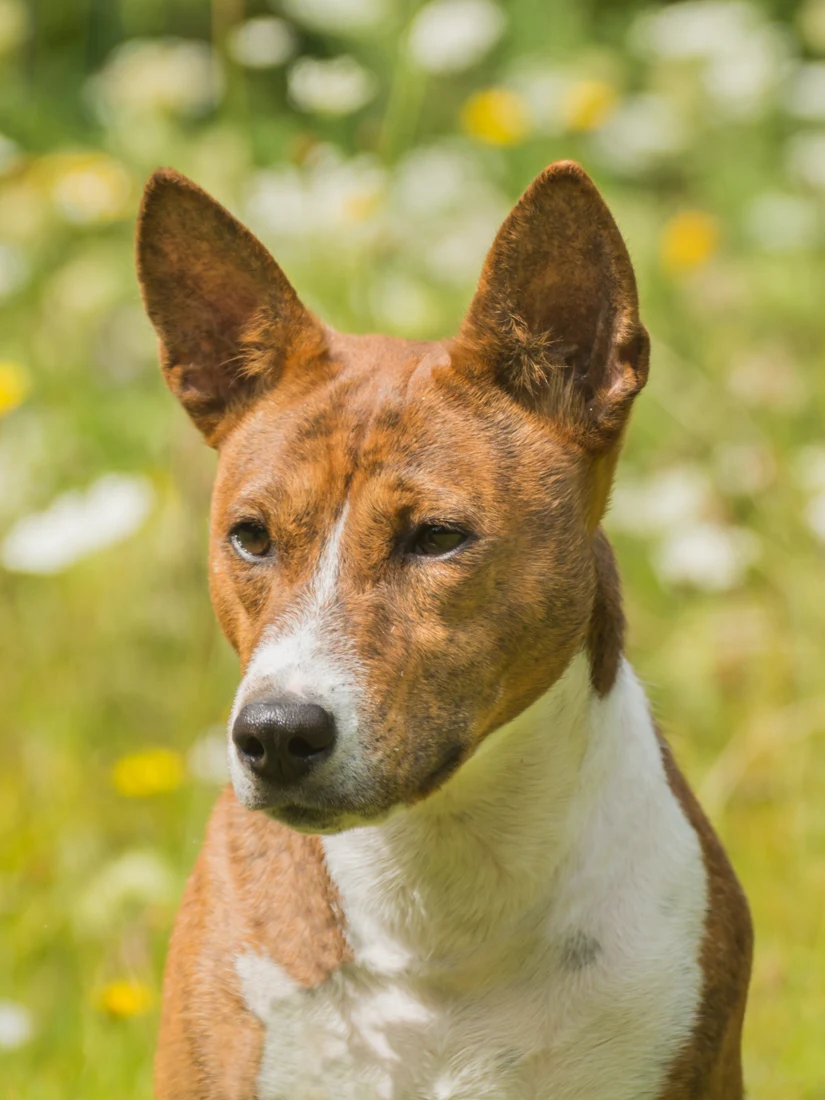
Why this breed stands out
The Basenji's most surprising feature is its voice. Although widely described as barkless, it can yodel, whine, growl and make other sounds, so choosing one does not guarantee a quiet home. Its Central African hunting background adds another part of the story: this is an alert, active hound, not simply a small companion with an unusual sound. We included it because that combination challenges familiar expectations of dogs. Prospective owners should spend time with adults and plan secure exercise rather than assuming a barkless dog will be undemanding.
Sources: Breed reference 1 · Breed reference 2.
In Australia: availability and where to start
Australian clubs and breeders.
Basenjis have active Australian breed clubs and breeder contacts. Start with the Basenji Club of NSW's Puppy Officer or the Basenji Club of Victoria's breeder directory, which includes contacts in several states. The Victorian club advises enquiring before the usual winter puppy season rather than expecting puppies year-round. Ask about upcoming litters and adult rehoming, and use club events to meet the breed. Club listing and membership are starting points for your checks, not guarantees of an individual dog's health or suitability.
Start here: Basenji Club of NSW puppy enquiries · Basenji Club of Victoria breeders.
Availability sources checked: . Listings are enquiry routes, not endorsements or confirmation of a current litter.
Compare all ten breeds and read the breeder-checking checklist →
Origin: a Central African hunter
The Basenji comes from Central Africa. Its compact outline and short coat can look appealingly straightforward, but this is a hunting breed whose daily life deserves more consideration than its size suggests. Basenji Club of America, AKC breed guide
Temperament: quiet is not the same as silent
The famous barkless description can mislead. Basenjis can yodel, whine, growl and make other sounds. The breed club also gives prospective owners a candid warning about mischief, including household objects becoming chewing projects. Individual dogs differ, so ask what the particular Basenji does when excited, bored or left alone. Breed club living guide
Care: give the day some structure
The AKC highlights exercise and the challenge of training this intelligent breed. Plan daily activity and learning, with a lead or secure fencing: the breed club warns that the urge to chase can be strong. Ask how the dog behaves around smaller animals rather than assuming they can safely share space. AKC breed guide, Basenji Club of America
Household fit: welcome the reality check
Before committing, meet adult Basenjis and talk through your expectations with a breeder or rescue. If your ideal companion is automatically quiet, instantly obedient or happy with very little involvement, pause and investigate those assumptions. Who will provide company and activity during your working week? Where will the dog settle when guests arrive? How will you assess compatibility with existing pets? Write down the practical answers. A realistic plan is more useful than deciding that a clever dog will simply work everything out.
Health: know which results you are asking about
Ask for the parents' documented Fanconi syndrome and PRA-BJ1 DNA results, and ask your vet about other relevant screening, including eyes and hips. The breed club explains that PRA-BJ1 testing covers one form of progressive retinal atrophy, so ask what a result leaves unanswered. Have a vet interpret the records in the context of the individual dog. Basenji Club of America health resources