

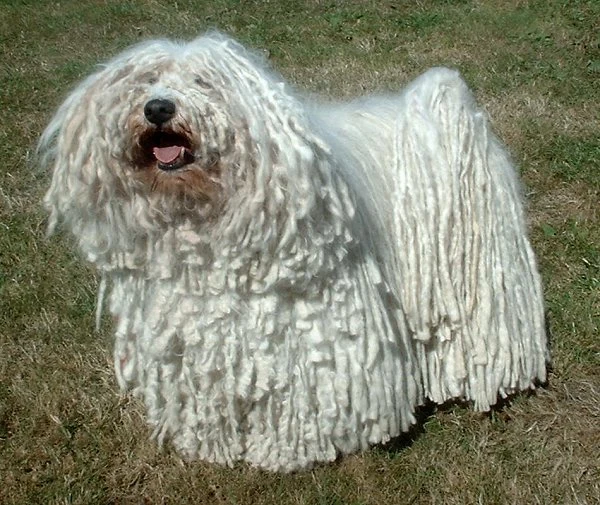
Why this breed stands out
A mature Puli can appear almost hidden beneath long, rope-like cords, yet underneath is a compact, agile Hungarian herding dog. That contrast between the coat and the lively working animal explains its place here. The cords develop as the coat matures; puppies do not arrive wearing a finished floor-length hairstyle. Owners who keep the coat corded need to learn separation, cleaning and careful drying, while still meeting the dog's activity and training needs. The striking coat should draw attention to the whole dog, not distract from it.
Sources: Breed reference 1 · Breed reference 2.
In Australia: availability and where to start
Australian breeders listed.
Pulis are bred in Australia, with Dogz Online listing Cordmaker in Perth, Western Australia, and Rustufarion in Sydney and Rastaz in Albury, New South Wales. Those listings offer practical starting contacts, but litter timing and placement decisions must be checked directly. Ask for an opportunity to meet adult Pulis and see coat maintenance demonstrated before committing to a puppy. Verify the breeder's current state-body membership and discuss relevant health records, socialisation and ongoing grooming support, rather than choosing solely from show results or photographs.
Start here: Australian Puli breeder directory.
Availability sources checked: . Listings are enquiry routes, not endorsements or confirmation of a current litter.
Compare all ten breeds and read the breeder-checking checklist →
What was the Puli bred to do?
The Puli is a Hungarian herding dog, prized for quick movement and working ability. Its corded appearance can obscure the active, agile animal underneath. Puppies do not arrive with a finished floor-length coat; developing and maintaining cords is a process. [1]
What kind of home might suit?
Pulik, the plural of Puli, are often quick learners with plenty of energy and opinions of their own. They need mental engagement alongside physical activity. Reward-based lessons, appropriately introduced dog sports and varied walks can give that energy a useful outlet. Individual temperament matters: an enthusiastic training partner is not automatically a dog who welcomes every stranger or enjoys a crowded off-lead park. [2]
Think about your ordinary Tuesday rather than an ideal weekend. Who has time for training? Where can the dog exercise safely? What happens when work runs late? A compact herder can still make substantial demands on a household's attention. Before deciding, ask owners what they find difficult as well as what they love.
Can the coat look after itself?
No. A Puli may be kept corded, brushed out or clipped, but each choice needs an appropriate routine. Cords require separation and careful drying after washing or getting wet. Neglected coat care can become a welfare problem, not merely an untidy hairstyle. Ask an experienced groomer or breed mentor to demonstrate a realistic pet-care plan. [1, 2]
Which health questions matter?
Ask about documented hip, patella and eye checks, alongside the breed club's recommended degenerative myelopathy DNA testing. Your vet can help interpret what the paperwork does and does not establish. [2]
A Puli belongs on the shortlist for someone interested in the dog's working mind and willing to manage its coat. If the appeal begins and ends with the cords, spend more time with the breed before making a commitment.
Sources
1. American Kennel Club: Puli history
2. American Kennel Club: Puli breed and care profile
Screening reference: AKC national breed-club health-testing recommendations (see the puli entry).