

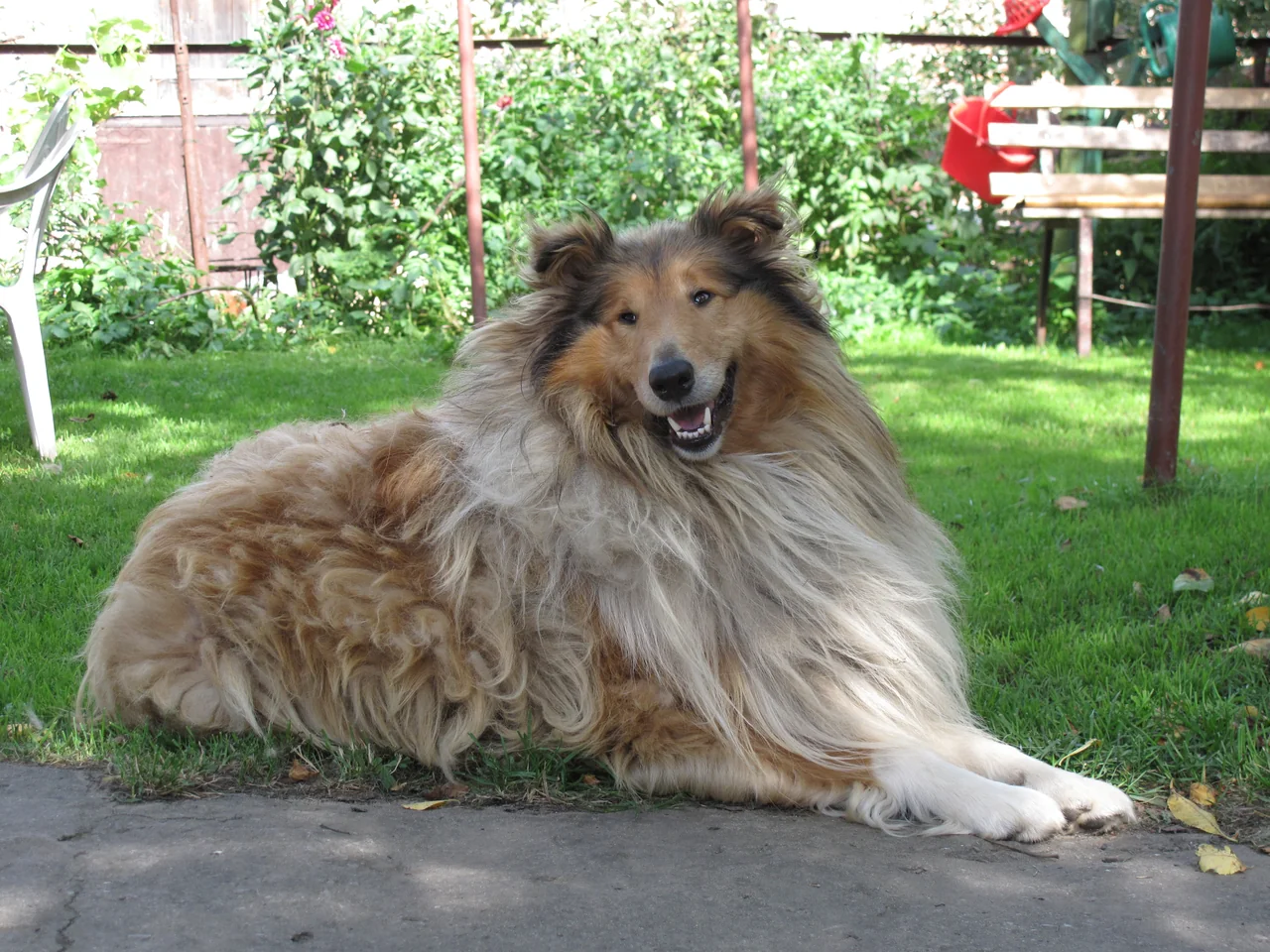
The Rough Collie is more than a beautiful coat. Developed to work sheep in Scotland, this is an intelligent, people-oriented dog with a herding background—not a decorative garden companion. Many are affectionate family members, but the decision should start with your routine, not a familiar television image. Dogs Victoria breed profile
What are Rough Collies like to live with?
Collies often enjoy being involved in everyday household life. Some are outgoing; others need time to assess unfamiliar people or situations. Their watchfulness can come with a voice: barking deserves realistic discussion before choosing one for a home with close neighbours. Meet adult relatives where possible and ask specifically about noise, recovery after excitement and comfort when left alone. The breed club describes variation in vocal behaviour rather than a universally silent dog. Collie Club of America
A Rough Collie may suit a smaller home if there is room to rest comfortably and a dependable plan for outings. A large backyard does not answer questions about companionship, exercise or barking. An adult dog whose behaviour is already known may make matching those needs easier.
Exercise and training: use the brain too
Build a routine around enjoyable walks, sniffing, play and short learning sessions. Tricks, scent searches or suitable dog sports offer different ways to engage a dog without trying to exhaust them. The amount and intensity should follow the individual's age, fitness and health; there is no single daily mileage target that makes every Collie content. VCA breed guide
Use rewards to teach recall, loose-lead walking and settling on a mat. If barking becomes persistent, investigate what triggers it rather than reaching for punishment. The Australian Veterinary Association recommends positive reinforcement and advises against punishment-based training. AVA training policy
Children, cats and the household
Many Collies can live successfully with children and other animals, but an individual dog's history and introductions matter. Never treat a family-friendly reputation as a safety guarantee. Adults should directly supervise children with dogs; use secure separation when supervision is not possible, and give the dog a retreat children do not enter. RSPCA child-and-dog guidance
Coat care and health questions
Expect thorough grooming, not just a quick brush over the surface. The long double coat needs regular attention and extra work during shedding. Ask a groomer to demonstrate a comfortable routine before tangles become a problem. If regular coat care sounds like a chore you will postpone, this may be the wrong match. Dogs Victoria
Ask for documented puppy eye examinations and discussion of Collie Eye Anomaly, rather than accepting “vet checked” as a complete answer. Also discuss MDR1/ABCB1 drug-sensitivity testing with your veterinarian. A result can influence medication decisions; it is not a reason to stop prescribed parasite prevention yourself. Health screening reduces uncertainty but cannot promise lifelong health. Collie Health Foundation, Washington State University
Best fit: someone who wants an involved companion, enjoys gentle training and genuinely has time for the coat. Think twice if low grooming, silence or long periods of isolation are essential.
Quick questions
Is a Rough Collie the same as a Border Collie? No. They are separate breeds; do not assume their needs or behaviour are interchangeable.
Can a Rough Collie live in a small home? Potentially. Assess the individual, available exercise, barking and household routine—not floor area alone.
Do Rough Collies shed? Yes. Plan for loose hair as well as regular grooming; the long coat is not a low-maintenance option.
Sources and further reading
- Dogs Victoria: Collie (Rough) — Scottish sheepdog origin, broad temperament, coat care.
- Collie Club of America: barking — individual variation and vocal tendencies.
- VCA: Collie — exercise, enrichment and shedding.
- AVA: training policy — humane training.
- RSPCA: children and dogs — direct supervision and retreat space.
- Collie Health Foundation: eye disease — eye examinations and CEA.
- Washington State University: MDR1 — inherited medication sensitivity.