

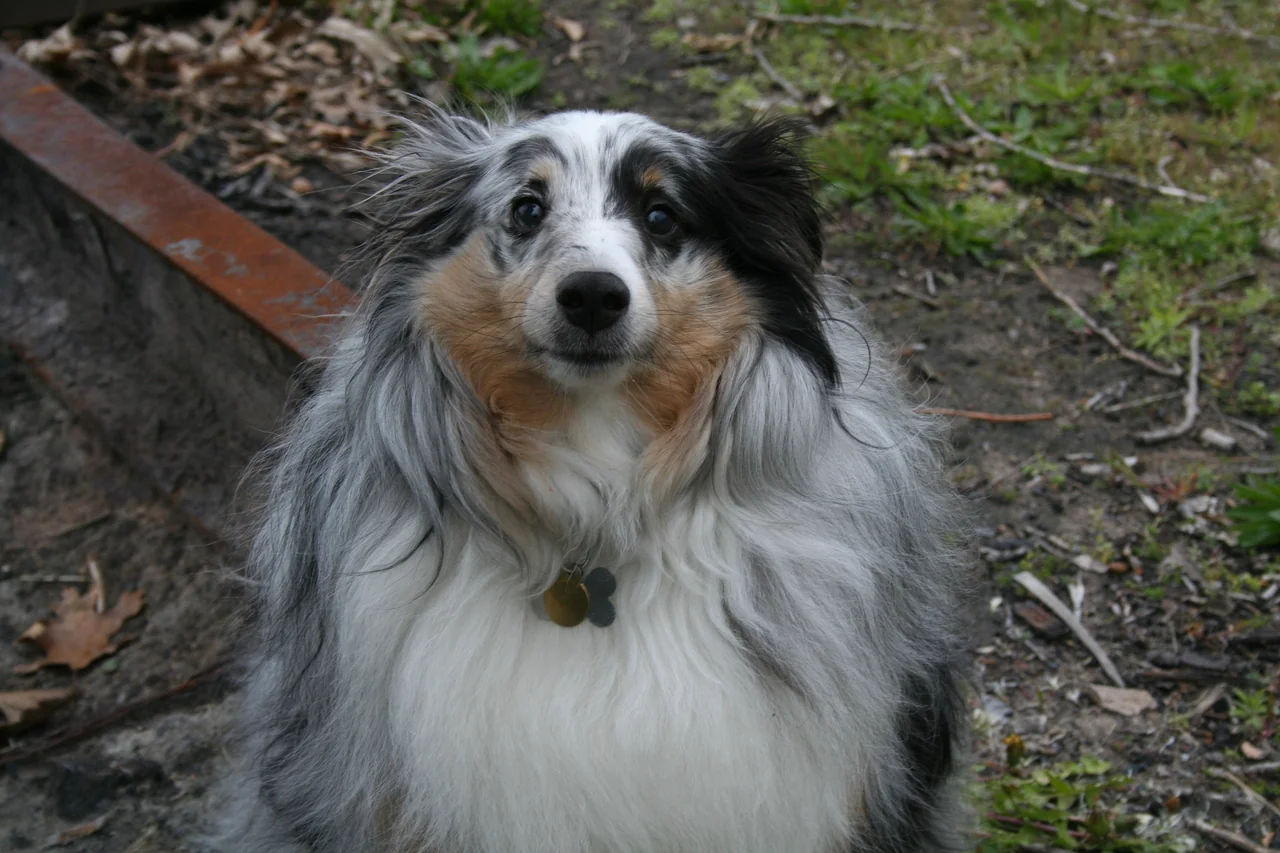
A Shetland Sheepdog may be compact, but small does not mean low-effort. The Sheltie developed in the Shetland Islands as a useful farm dog and sheepdog. It is a distinct breed, not simply a miniature Rough Collie. That working background helps explain why an attractive little companion can also be alert, quick to learn and highly interested in what the household is doing. Dogs Australia, American Shetland Sheepdog Association
Affectionate does not mean everyone's best friend
Shelties are often devoted to familiar people and more reserved with strangers. Sensitivity varies: one dog may confidently enjoy visitors, while another needs distance and predictable introductions. Allow choice instead of insisting that strangers pat the dog. Ask a breeder or rescue how the particular dog handles noise, visitors, unfamiliar surfaces and being alone.
Barking is an important practical consideration. Shelties can be enthusiastic alarm-raisers; choosing one while hoping training will produce a completely silent dog is risky. Close neighbours, shared hallways and constant activity outside a window deserve thought before adoption. American Shetland Sheepdog Association
A good daily routine
Think beyond a lap of the block. Walks with sniffing opportunities, toy play and brief training sessions can give a Sheltie different things to do. Many enjoy activities such as rally, obedience or agility when age and health allow. A suburban home can work well, but a garden is an addition to interaction, not a replacement for it. Dogs Australia
Choose safe enrichment the dog actually enjoys, rather than buying increasingly complicated puzzles. Rotate activities and supervise unfamiliar toys. Food used for training or enrichment should be considered within the overall diet. RSPCA enrichment guidance
Reward calm attention, recall and settling. Keep training clear and achievable; fear, force or intimidation are not shortcuts. If reactions to noises or people are worsening, seek veterinary and qualified behaviour support rather than labelling the dog stubborn. RSPCA training guidance
Children, pets and coat care
A Sheltie can fit into a considerate family, but a loud, unpredictable household may not suit every individual. Supervise children directly and protect the dog's rest and feeding time. Introduce cats and other dogs gradually, with places to retreat; breed labels do not establish compatibility. RSPCA children-and-dogs guidance
The double coat needs a regular thorough brush, with additional attention when shedding. Budget for hands-on coat care even though the dog is small. Practise gentle handling early so brushing is not a battle. Dogs Victoria
Health questions worth asking
The Shetland Sheepdog Club of Victoria recommends physical eye examinations, relevant DNA testing and hip and elbow scoring for breeding dogs. Ask to see the actual reports and have your vet explain their relevance. Topics include Collie Eye Anomaly, MDR1 drug sensitivity and other inherited conditions; a DNA panel does not replace an ophthalmologist's examination. These are screening discussions, not predictions that an individual puppy will become ill. Shetland Sheepdog Club of Victoria
Best fit: a person who enjoys training and companionship, can maintain the coat and accepts that a small dog may have a substantial voice. A quieter adult with a known history may be worth considering when household fit is uncertain.
Quick questions
Are Shelties miniature Collies? No. They resemble Rough Collies but are a separate breed.
Do Shelties bark a lot? They can. Individual behaviour varies, but alert barking should be part of your planning.
Can Shelties live in apartments? Some can, provided their activity and social needs are met. Noise sensitivity and barking may be more limiting than size.
Sources and further reading
- Dogs Australia: Shetland Sheepdog — origin, working heritage, activities and suburban adaptability.
- American Shetland Sheepdog Association: suitability — distinct breed status, reserved temperament and barking.
- Dogs Victoria: Shetland Sheepdog — double-coat grooming.
- Shetland Sheepdog Club of Victoria: health testing — local breed screening guidance.
- RSPCA: enrichment — varied activities and safety.
- RSPCA: humane training — reward-based approach.
- RSPCA: children and dogs — supervision and protected rest.