

“Dangerous”, “menacing” and “prohibited” are different
| Term | What it means for owners |
|---|---|
| Prohibited breed | A breed-based ownership prohibition, subject to the Act’s reasonable-excuse provision. |
| Declared dangerous | A council decision involving serious attack behaviour or the assessed risk of serious attack or causing fear. |
| Declared menacing | A council decision involving less-serious attack behaviour, causing fear or the assessed risk of an attack that is not serious. |
Older pages may use “restricted breeds”. For today’s ownership question, check the current prohibited-breed rules rather than assuming an old permit pathway remains available. A friendly history does not itself remove a breed prohibition. See the Queensland Government’s regulated-dog guidance.
The five prohibited breeds: short fact files
The following names appear on Queensland’s prohibited list. These files explain the names readers may encounter; they are not recommendations to acquire these dogs in Queensland. Appearance alone is not a legal identification test.
These photographs show individual examples of each breed. They do not establish a dog’s legal status or temperament, and are not a visual identification test.
1. American Pit Bull Terrier / Pit Bull Terrier
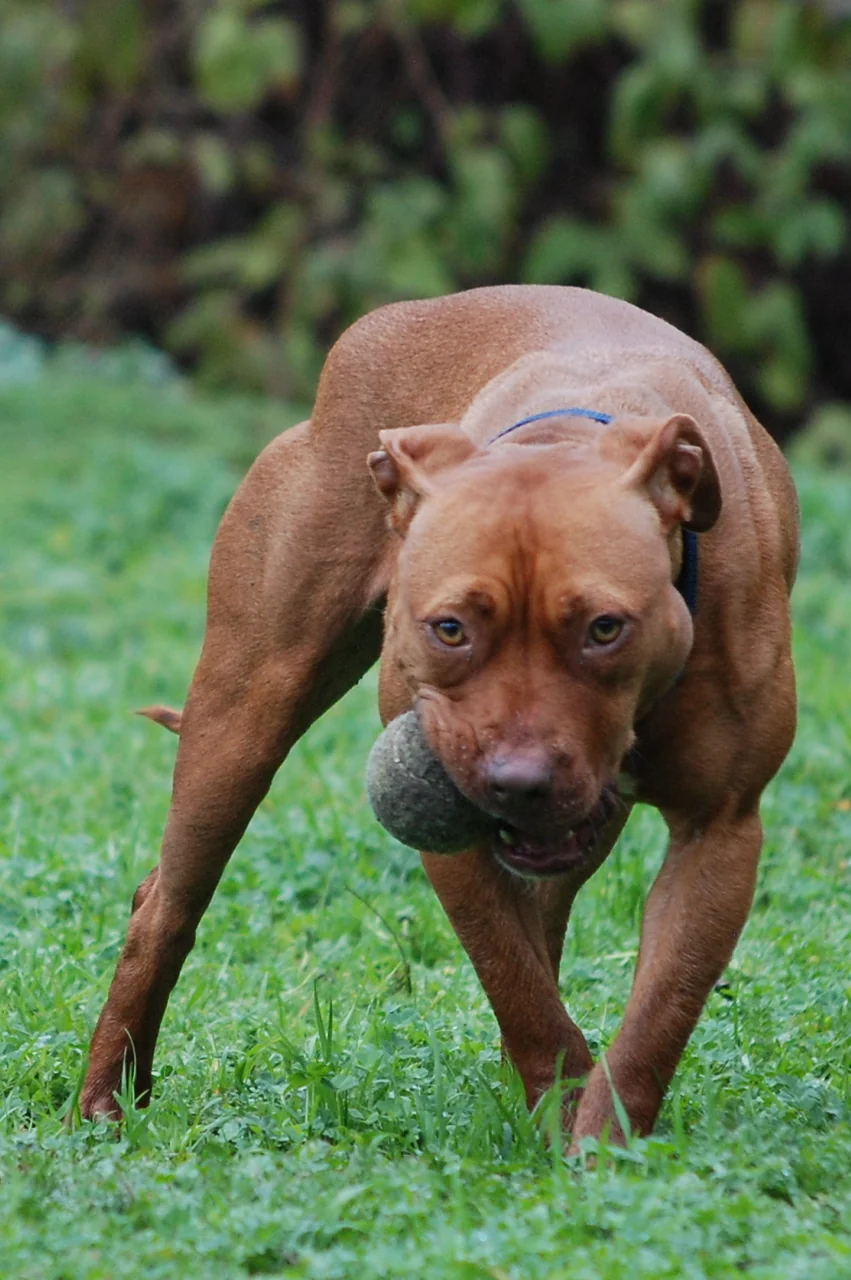
The UKC describes an athletic, muscular, medium-sized dog with a short coat. The full breed name matters: casual labels such as “Staffy” or “bully” are not reliable substitutes for records. Read the UKC breed standard.
2. Dogo Argentino
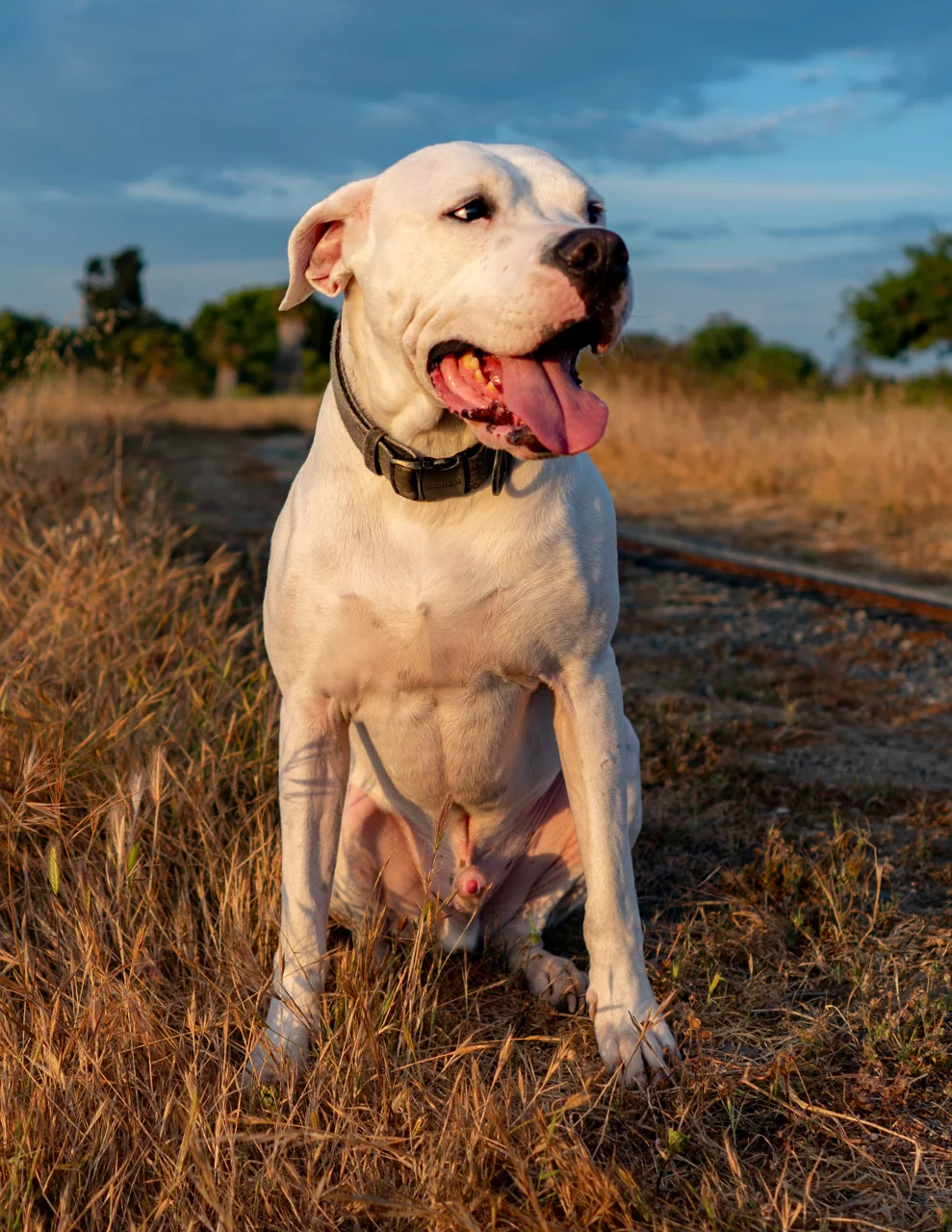
The FCI records Argentina as this breed’s country of origin and lists it as breed number 292. Use the full name when checking documents; “Dogo” on its own is not sufficiently precise. Read the FCI breed entry.
3. Fila Brasileiro
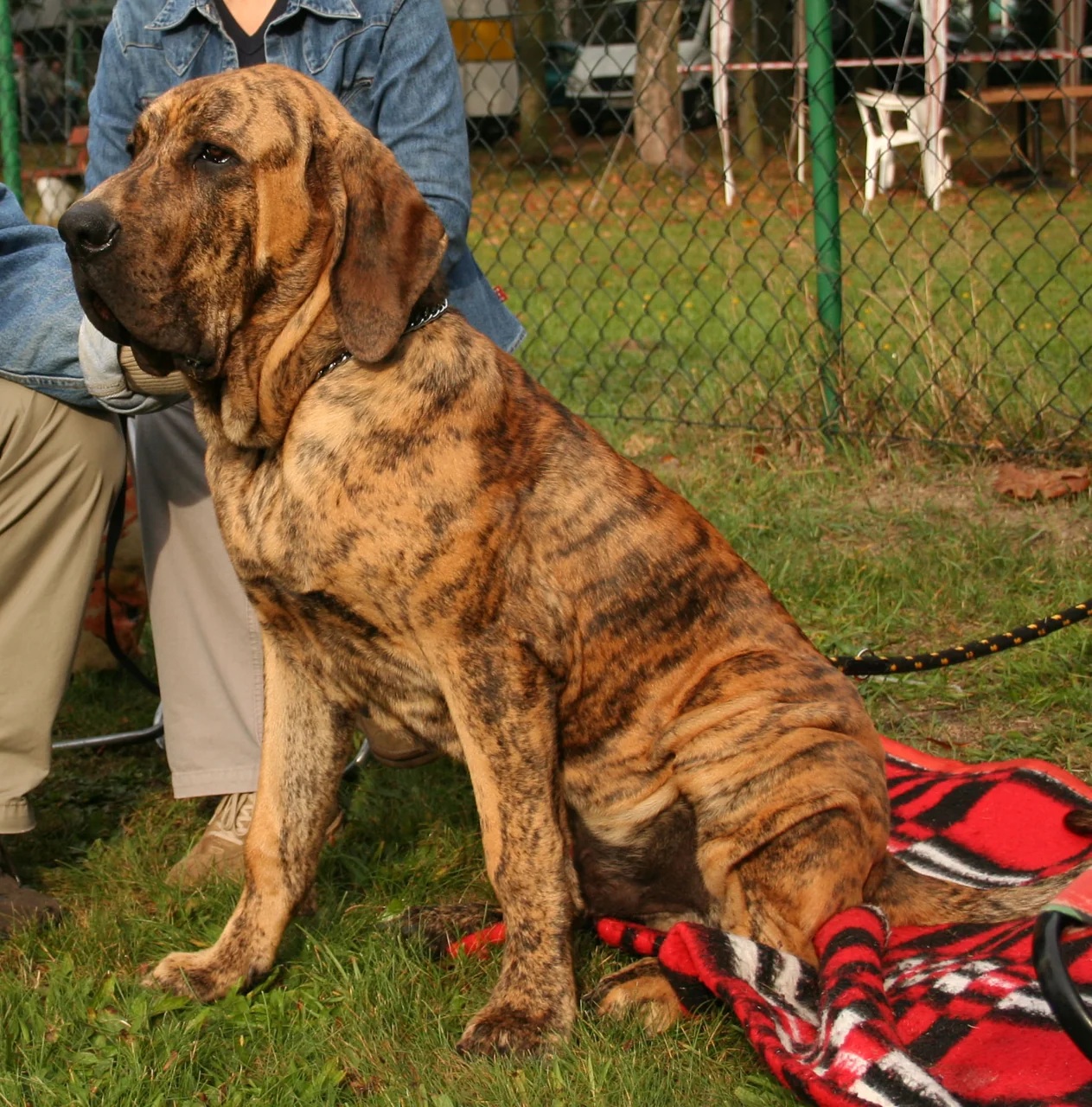
A Brazilian breed classified by the FCI in the mastiff-type group. Its FCI number is 225. A description such as “mastiff” covers too broad a category to resolve the status of an individual dog. Read the FCI breed entry.
4. Japanese Tosa
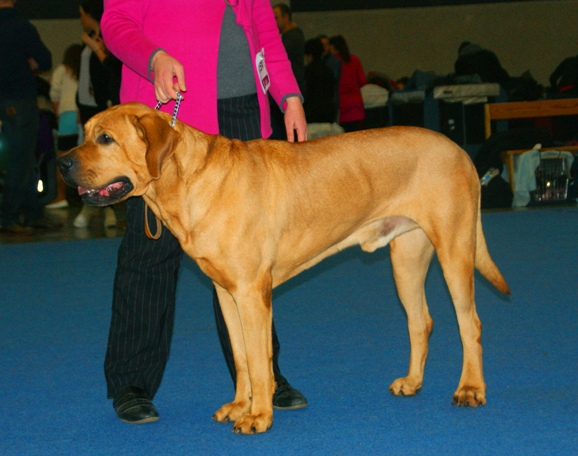
The FCI lists this Japanese breed as “Tosa”, number 260. Queensland’s list uses “Japanese Tosa”, so readers may encounter either name while checking breed information. Read the FCI breed entry.
5. Perro de Presa Canario / Presa Canario
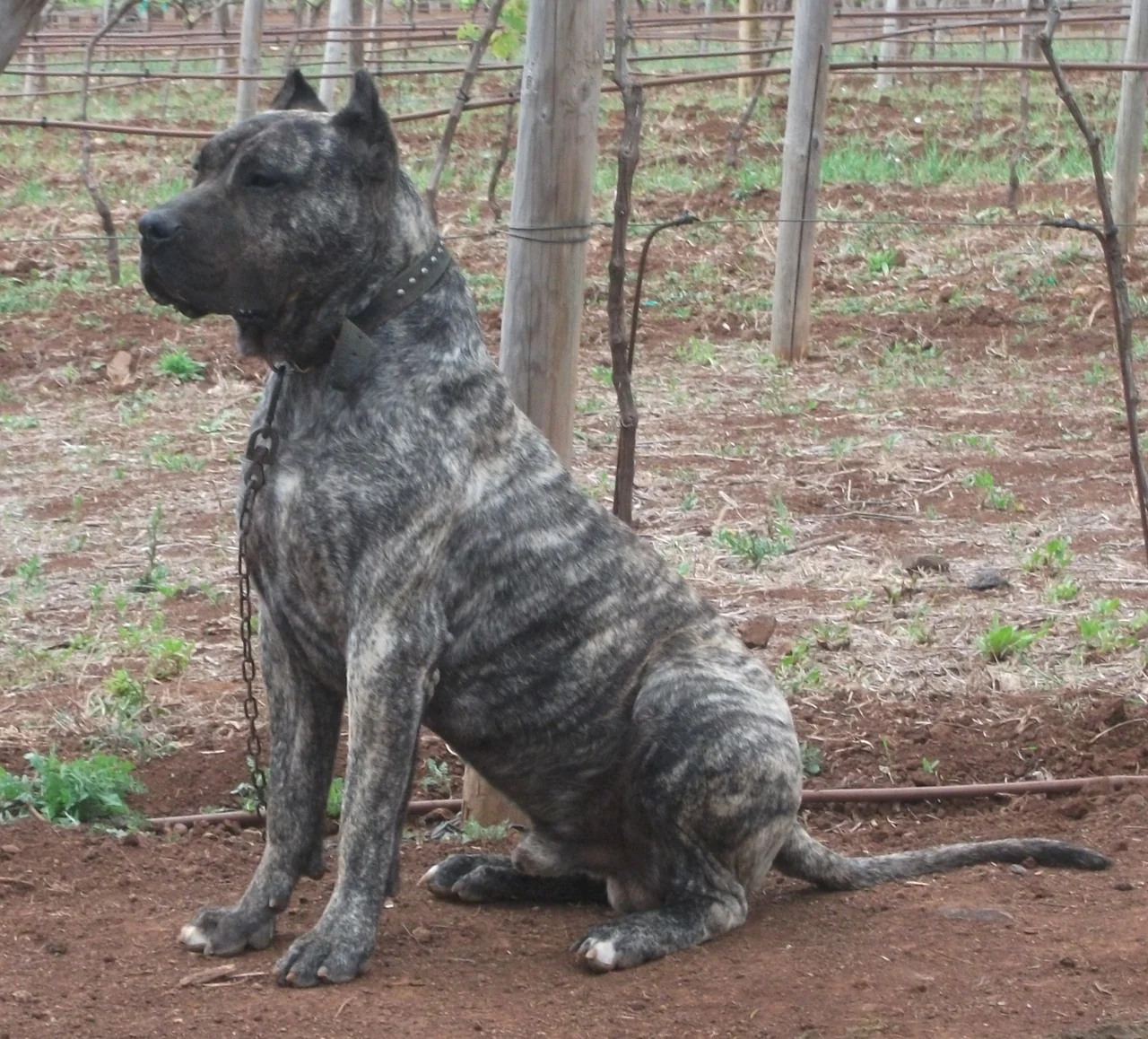
The FCI records Spain as the country of origin and lists this breed as number 346. Older FCI material may say “Dogo Canario”; the organisation approved the change to “Presa Canario”. FCI breed entry · FCI name-change notice.
Does the prohibition have exceptions?
Section 103B prohibits ownership or responsibility without a reasonable excuse and expressly recognises an assistance animal as defined by federal disability law. Section 103C prohibits supply; section 103D prohibits transferring possession for breeding. Do not assume a seller’s reassurance or an “assistance dog” label establishes an exception. Obtain advice on your actual circumstances.
What must Brisbane owners of declared dogs do?
Brisbane City Council requires registration, microchipping, a distinctive collar and tag, entrance warning signs and an approved enclosure. Dangerous dogs must be muzzled outside their registered keeping address; this also applies during proposed dangerous declarations and relevant reviews. Council recommends public muzzling for menacing dogs.
Dangerous dogs require desexing, subject to the Act’s health exception, and cannot be bred. Regulated dogs cannot enter public off-leash areas. On an ordinary public walk, the handler must be physically capable, control only that dog and use appropriate restraint. A muzzle does not replace these controls.
Higher registration charges apply. Check Council’s current conditions, enclosure documents and fees before budgeting. An ordinary backyard fence is not automatically an approved enclosure.
Are Staffies banned? What about crossbreeds?
The Staffordshire Bull Terrier is not one of the five listed breeds. The Act also expressly distinguishes the American Staffordshire Terrier from the American Pit Bull Terrier. These names should not be used interchangeably. Read our Staffordshire Bull Terrier profile.
Section 103A excludes crossbreeds from its prohibited-breed definition. That does not establish any particular dog’s ancestry or exempt it from behaviour-based declarations or other applicable rules. Get identification questions resolved with Council and professional advice, rather than guessing from photographs.
Received a council notice, or considering a dog?
A Brisbane proposed declaration allows 14 days for written representations. A final declaration has a review process: follow the notice and obtain prompt legal advice. Keep copies of records and correspondence. Do not assume that seeking review suspends requirements.
Before buying, adopting or moving with a dog, ask the relevant council about its status and keeping conditions. Brisbane rules are not a national rulebook; another council or state needs its own check.
For Brisbane animal-management enquiries or reports, call 07 3403 8888. Report what happened and where, rather than guessing a breed. If someone faces an immediate life-threatening emergency, call 000.