

A Kelpie watching a moving flock, a Dachshund following a fascinating smell and a Havanese looking for company all offer clues to their breed histories. Learning where a breed developed can help explain its original job and some of its present-day tendencies. It is also a lovely way to explore the world without leaving the dog park.
This tour features breeds associated with eight countries. They are not presented as eight officially appointed national dogs. A breed’s ancestry, place of development and country recorded in a kennel-club standard can differ. Nor does a country of origin tell us what every individual dog will be like: upbringing, health, age, breeding line and experience matter too.
Australia and the Australian Kelpie
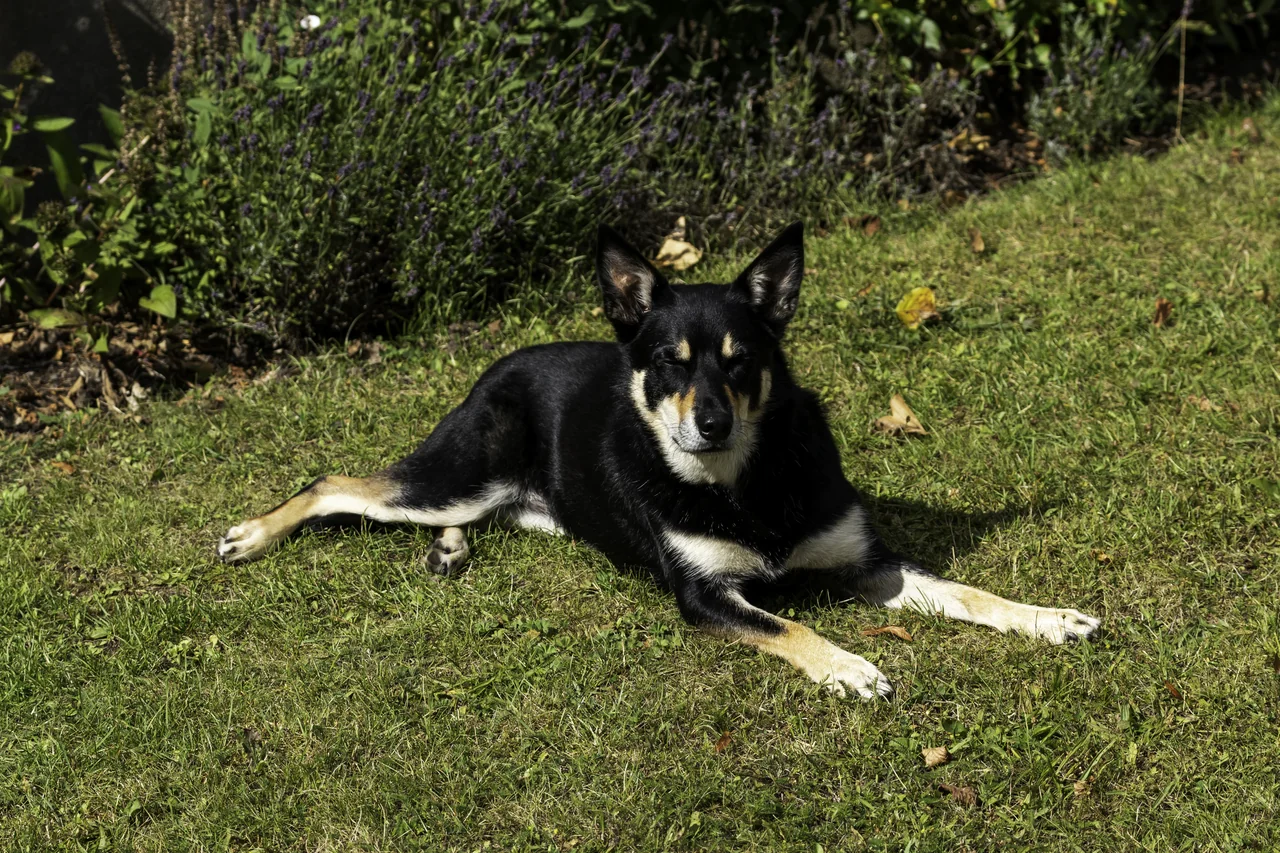
Developed for Australian sheep work from imported collie-type dogs, the Kelpie is a reminder that a breed can have overseas ancestors and still be an Australian creation. Its history centres on stock handling across large properties. The FCI records Australia as its country of origin. FCI Kelpie standard
An attentive, energetic Kelpie may appeal to someone who enjoys regular training and an active routine. Think beyond having a big backyard: what will you and the dog actually do together on an ordinary weekday? A long day without interaction is a different proposition from a planned mix of exercise, learning and rest. Dogs New Zealand Kelpie guide
Explore our Australian Kelpie profile.
Germany and the Dachshund
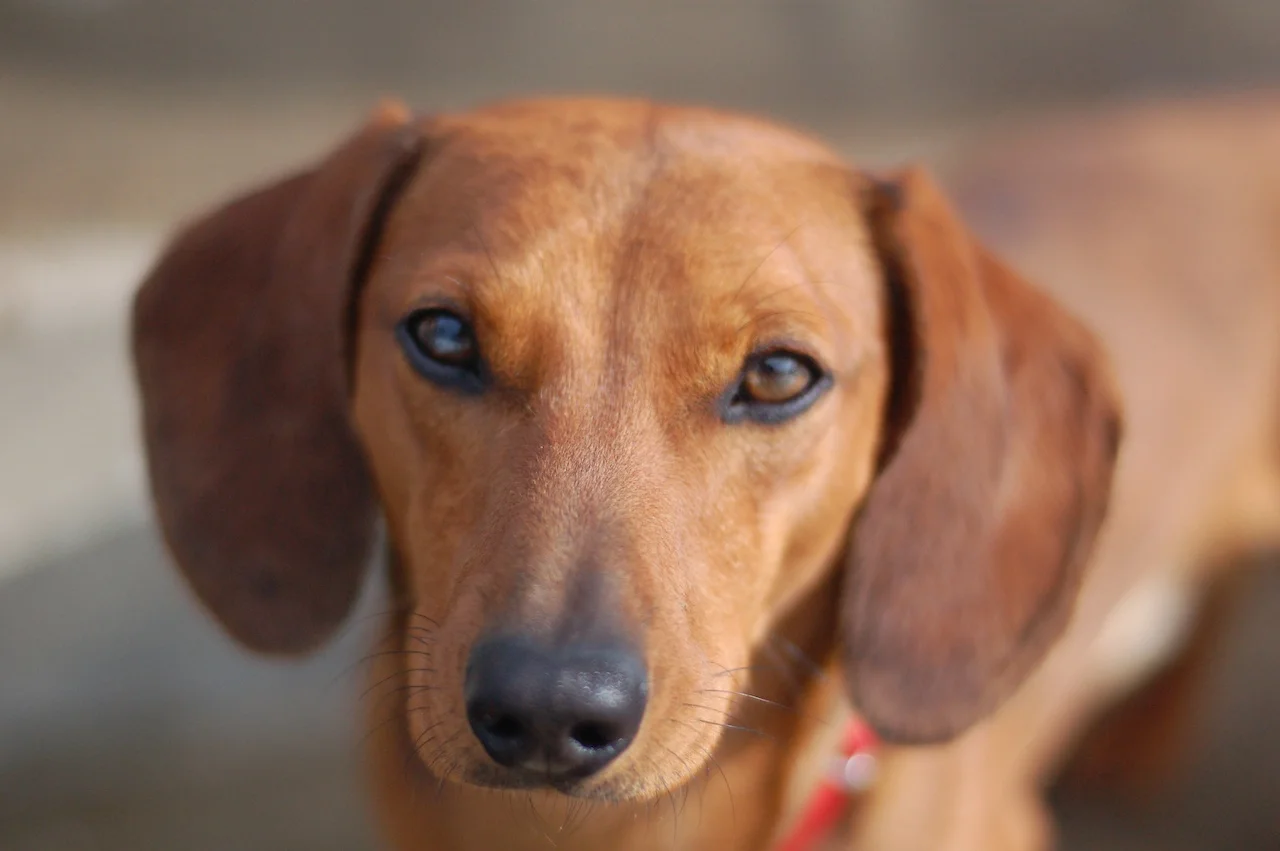
The Dachshund’s hunting background is a useful counterweight to its cute sausage-dog image. The German breed was developed for work above and below ground, and its standard describes a persistent hunter with a strong nose. Smooth, long-haired and wire-haired varieties share that broader heritage. FCI Dachshund standard
For a household, that suggests taking sniffing, exploring and reward-based learning seriously rather than assuming a small dog needs only cuddles. Individual preferences will vary. Our own miniature Dachshunds, Frankie and Waffles, are a friendly introduction to the breed, not a scientific sample of every Dachshund.
Start with Dachshund personality and Meet Frankie.
Japan and the Shiba
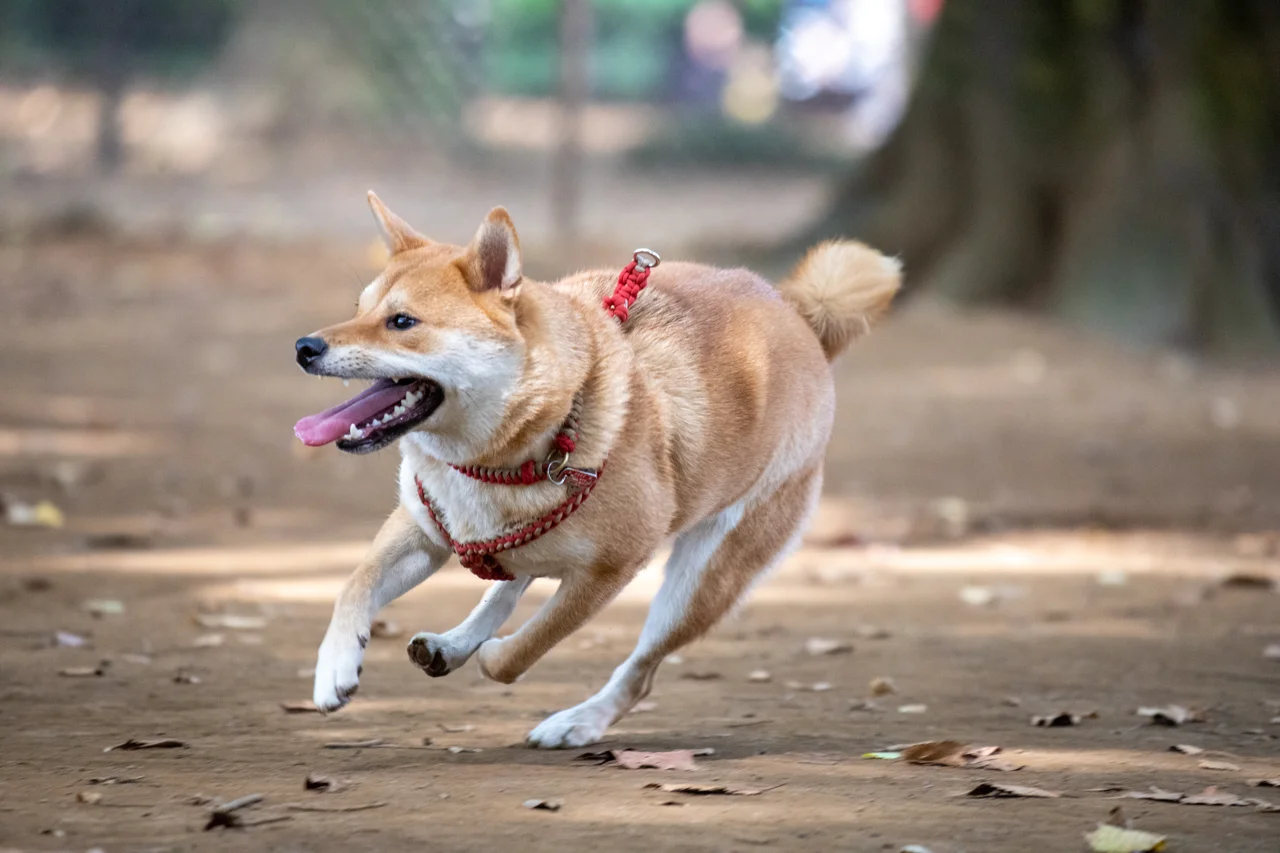
The Shiba’s history includes hunting birds and small animals in Japan’s mountainous regions. Its compact outline can disguise an alert, capable dog. The breed standard highlights keen senses and attentiveness; it does not describe a decorative toy. FCI Shiba standard
Owners attracted by a Shiba’s expressive face should also consider its independent streak. Secure exercise arrangements and patience with training deserve as much thought as appearance. The American Kennel Club advises keeping Shibas on lead outside fenced or enclosed areas, even when they have been trained. AKC Shiba lifestyle guide
Belgium and the Belgian Malinois
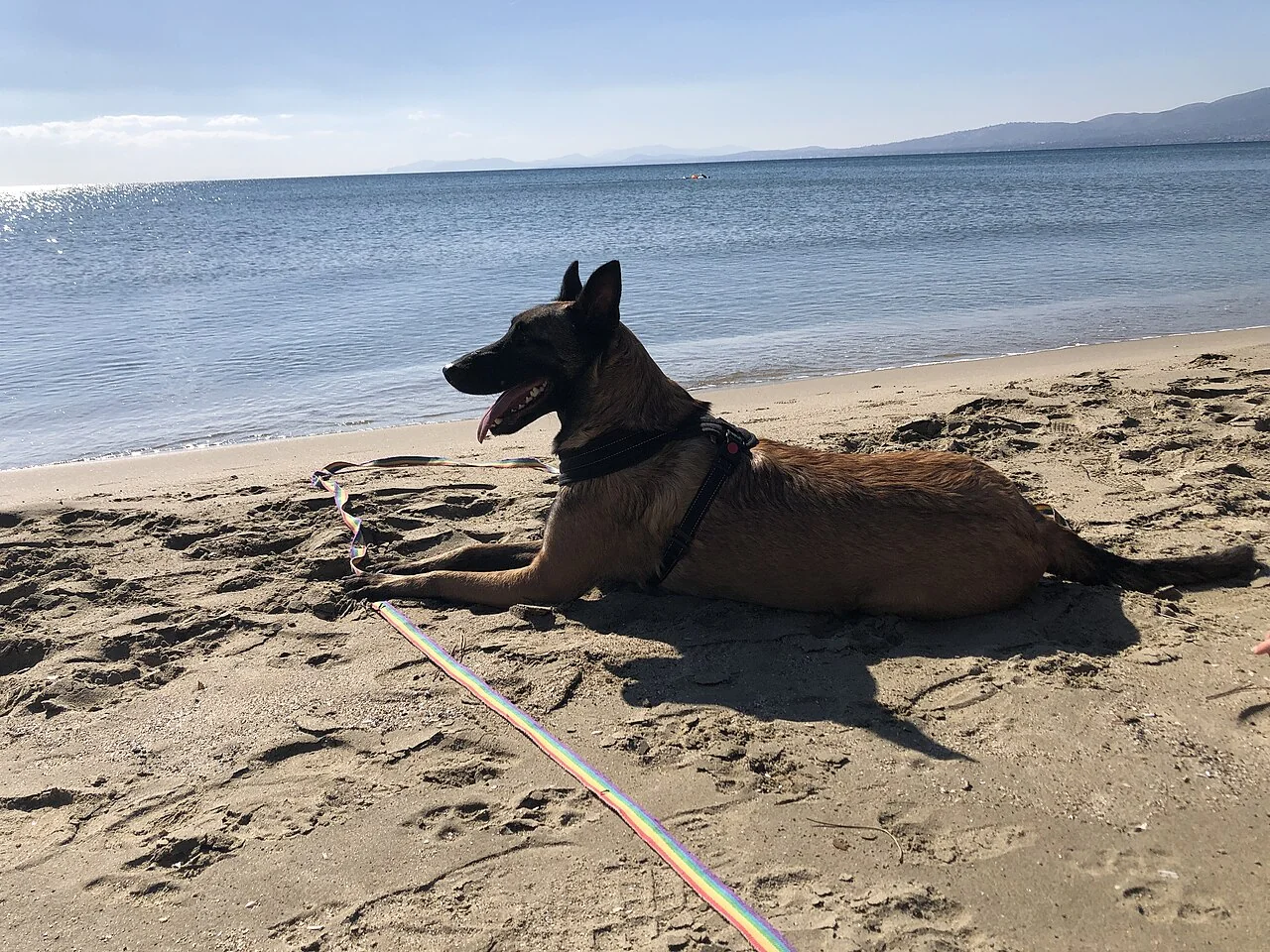
The Malinois belongs to the Belgian Shepherd family, whose history begins with sheepdogs in Belgium. Today, the breed is associated with demanding working roles, but that does not make every Malinois a ready-made police dog or a suitable household guardian. FCI Belgian Shepherd standard
The attraction is easy to understand: intelligence, responsiveness and a strong connection with a handler. The practical question is whether the owner wants the daily involvement that goes with an intense working dog. Admiring an impressive training video is not the same as wanting to organise life around that level of engagement. AKC Malinois guide
Read our Belgian Malinois profile.
Mexico and the Chihuahua
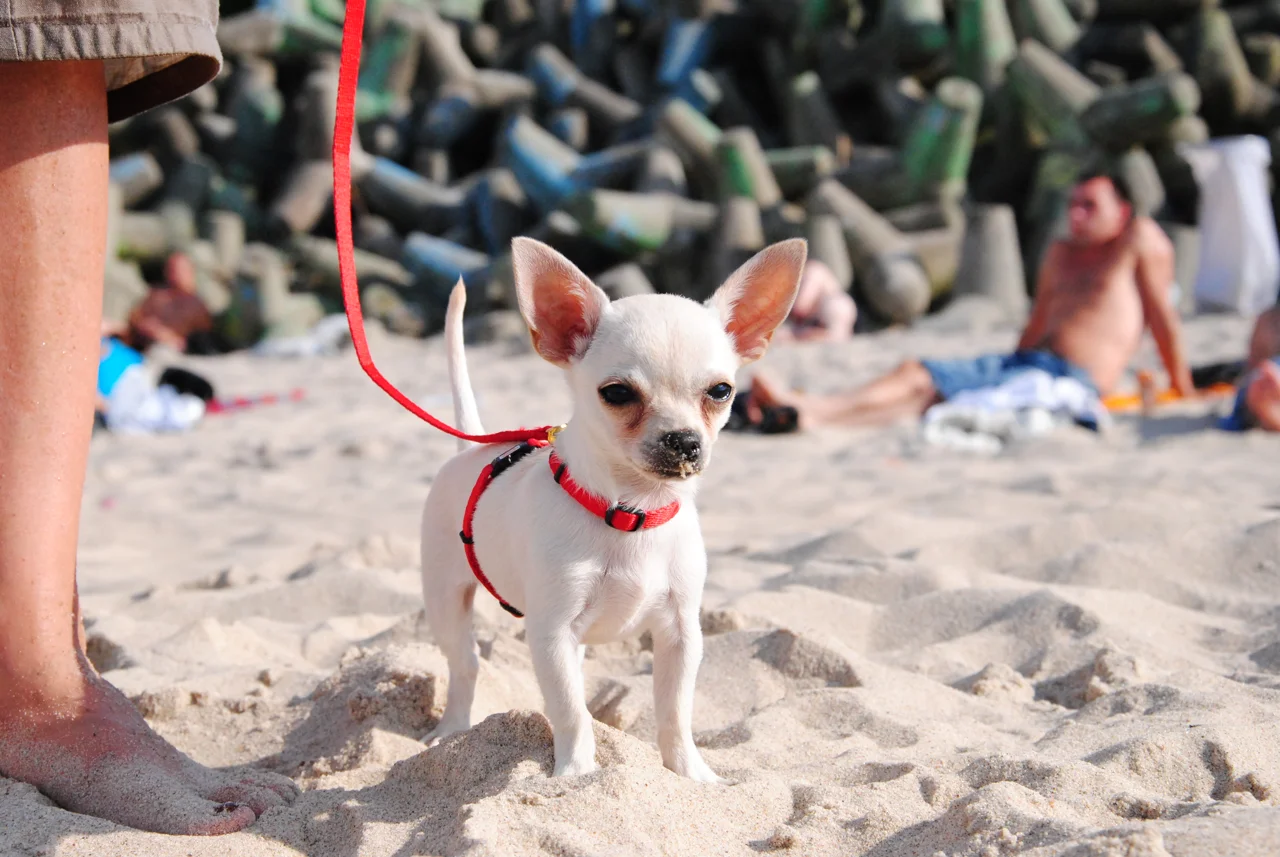
The Chihuahua is closely associated with Mexico and is described by the AKC as a national symbol. That wording is a cultural description here, not a claim about a government-appointed national dog. Its small size comes with an alert and lively personality. AKC Chihuahua guide
A useful owner mindset is to treat a Chihuahua as a dog who needs choices, training and safe exercise, not a toy to be carried into every interaction. Consider how a tiny dog will move around your home and meet larger dogs or enthusiastic children. Small size makes those everyday arrangements especially worth planning.
See our Chihuahua profile.
Cuba and the Havanese
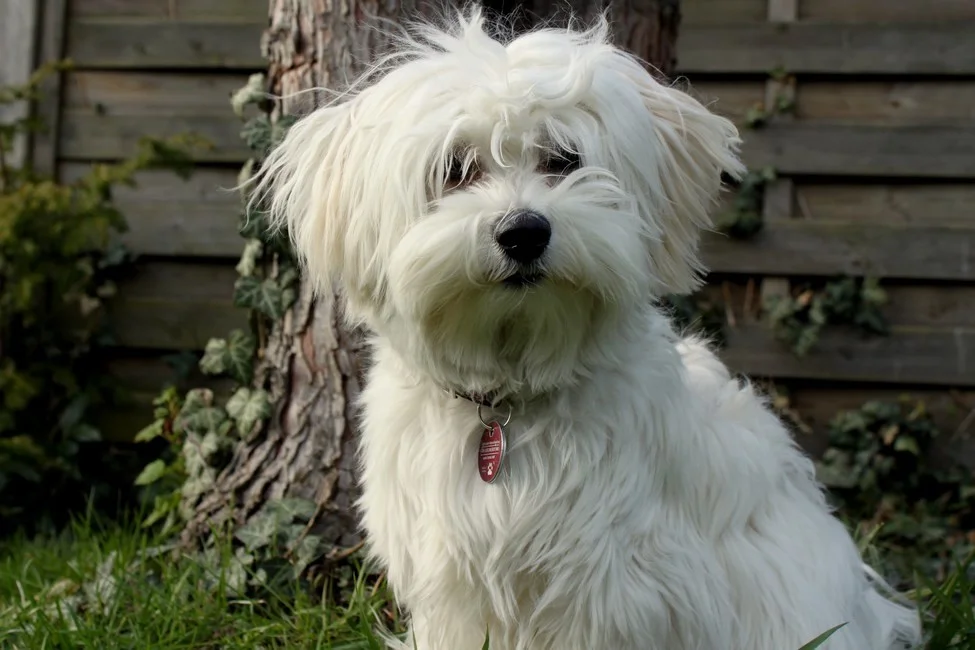
The Havanese is a Cuban companion breed, recognised for its sociable, cheerful character. It offers a different story from the stock-working or hunting breeds on this tour: being close to people is central to its modern appeal. AKC Havanese guide
Before choosing one, work through the actual household timetable. Who is home? Who will provide company, training and grooming? A dog chosen for companionship still needs a practical plan for the hours when people are busy. Meet adult dogs as well as puppies so that you can picture everyday life beyond the first few weeks.
Our Havanese profile explores the breed further.
Italy and the Italian Greyhound
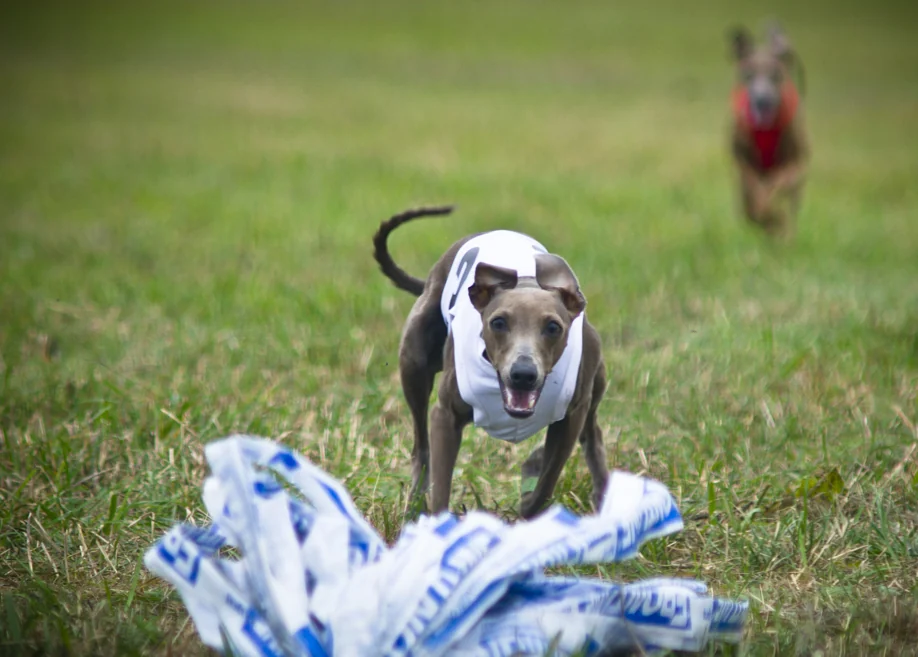
The FCI records Italy as the country of origin of the Italian Sighthound, commonly called the Italian Greyhound. Its much older ancestry is a separate historical question, so “Italian” should not be read as proof that every stage of the breed’s development took place in modern Italy. FCI breed record
This is an affectionate small companion with a sighthound’s interest in pursuit. Its delicate appearance should not obscure that instinct. Prospective owners should think about secure places to exercise and whether their home and routine suit a lightly built, active little dog. AKC Italian Greyhound guide
Read our Italian Greyhound profile.
The United Kingdom and Scotland’s Golden Retriever
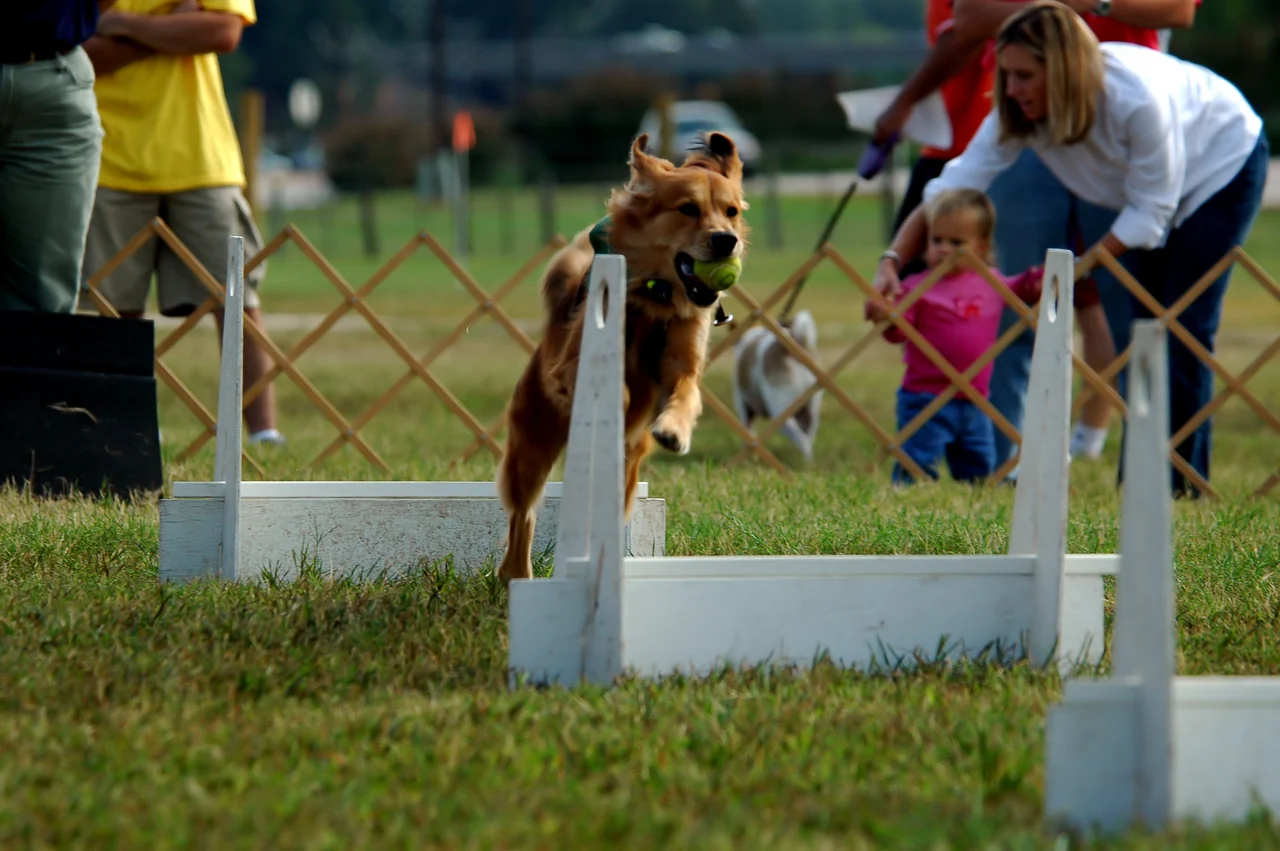
The Golden Retriever’s roots are Scottish. A gundog developed for retrieving, it is now also familiar in family homes and a range of working and sporting roles. Its energetic, engaged character is part of the picture alongside the friendly reputation. AKC Golden Retriever guide
When considering one, picture a full-sized adult rather than only a fluffy puppy. Can your household accommodate exercise, training, coat care and a dog who wants to participate? A breed’s popularity should never replace an honest look at the individual dog and your circumstances.
Explore our Golden Retriever profile.
Choose the dog rather than the flag
A country-themed shortlist is an enjoyable starting point. Before turning it into an adoption or purchase decision, write down three ordinary days: a workday, a wet day and a weekend. Then ask where walking, toilet breaks, training, grooming, company and quiet rest would fit.
Meet adult dogs, ask about the particular dog’s history and behaviour, and discuss health needs with a veterinarian. A thoughtful rescue or breeder should welcome practical questions. The most useful outcome of this world tour is a better set of questions, not a winner based on nationality.