

Japan’s dog breeds are easy to admire in photographs: upright ears, curled tails and expressive faces often catch the eye. Yet a Shiba, a Japanese Akitainu and a Japanese Spitz are not interchangeable versions of the same dog. Their histories, size and everyday needs give prospective owners much more to consider than looks.
Here are three starting points for a country-themed breed series. Descriptions of temperament are tendencies or breed-standard ideals, not guarantees. A dog's individual background and present behaviour should always carry more weight than a label.
Shiba and the independent hunter
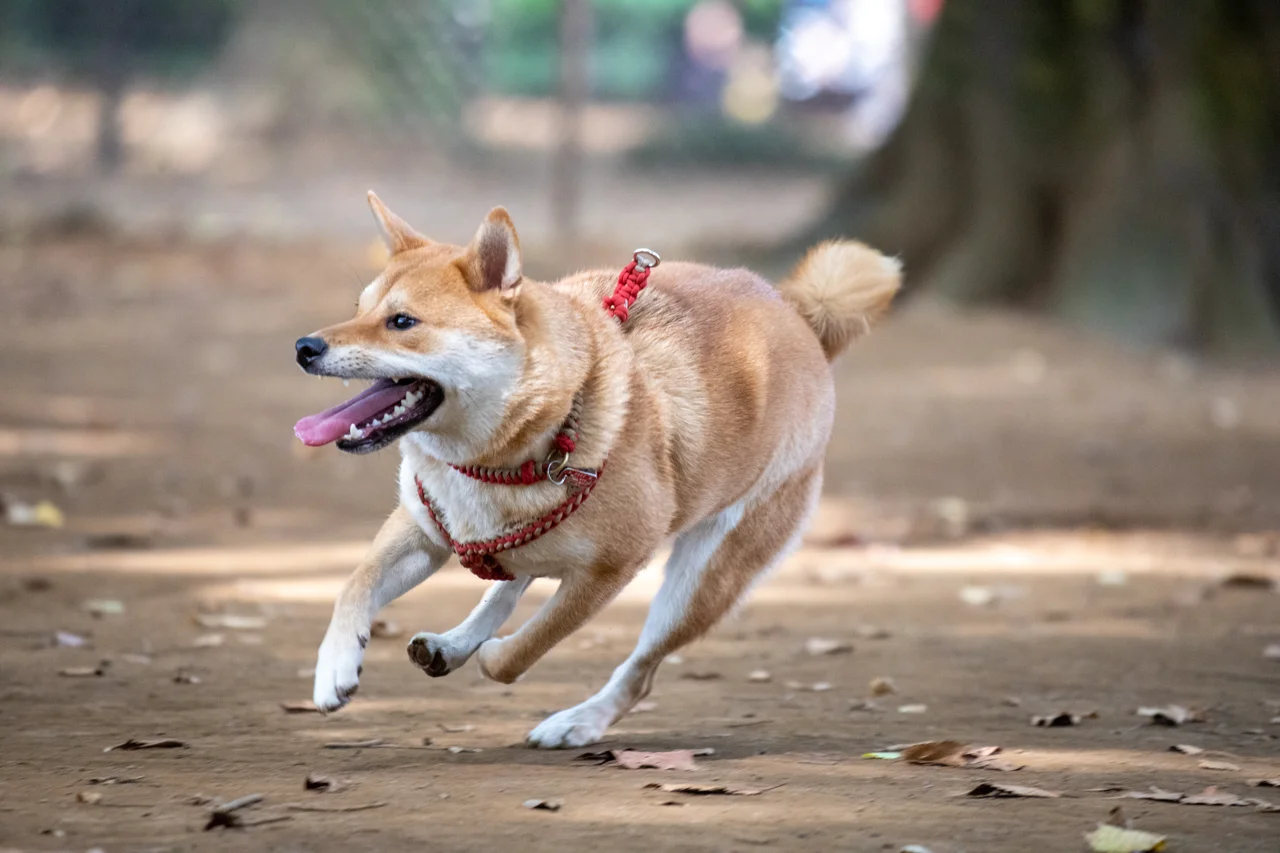
The Shiba developed in Japan, where its history includes hunting small animals and birds. Its breed standard describes a compact, muscular dog with alert senses. This helps explain why a small outline need not mean a passive companion. FCI Shiba standard
The National Shiba Club of America describes an independent and sometimes reserved character alongside spirited confidence. A prospective owner should be comfortable building cooperation, rather than expecting instant enthusiasm for every request. National Shiba Club of America breed booklet
Everyday planning matters. The AKC warns against allowing Shibas off lead outside secure, enclosed areas, and prospective owners should take that management advice seriously. A good photograph of a dog on a mountain does not tell you whether it can safely be let loose on your local walk. AKC Shiba lifestyle guide
Owner-fit question: Would I enjoy this dog even if safe walks mean reliable fencing, lead use and ongoing training rather than effortless off-lead freedom?
Japanese Akitainu and a different scale of commitment
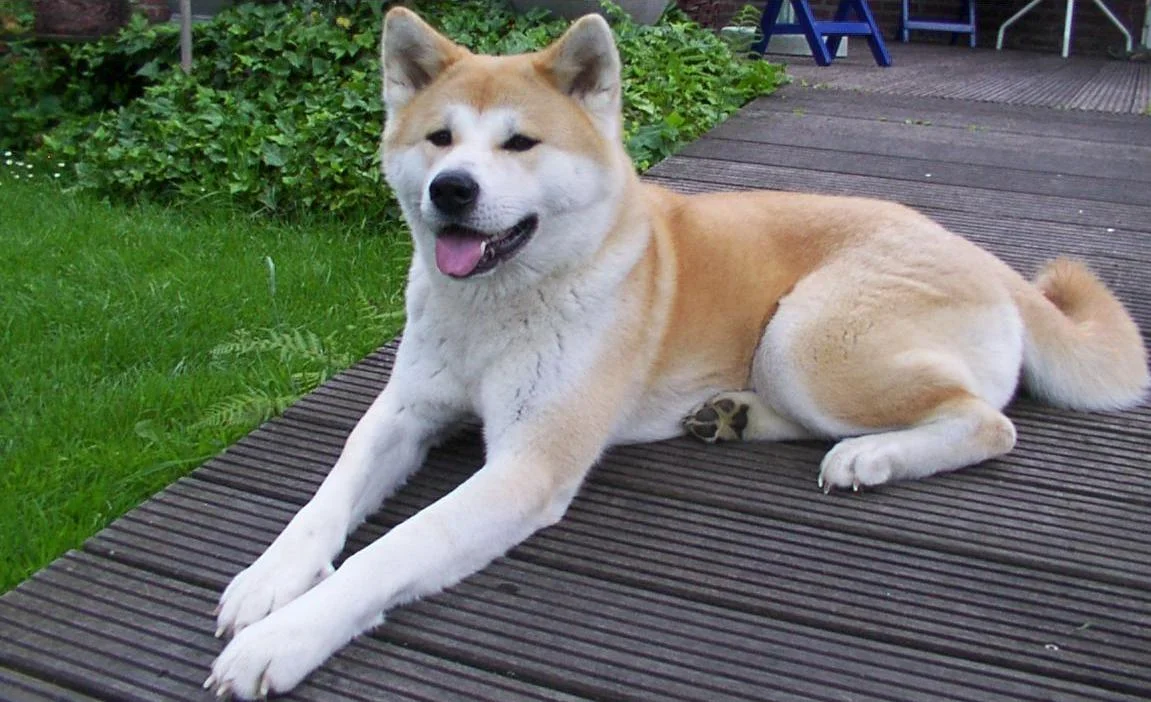
The Japanese Akitainu has roots in northern Japan’s Akita region and in dogs used by hunters. AKIHO, the breed preservation organisation, describes its history and efforts to preserve and restore the Japanese breed. Its modern character is commonly described as dignified and reserved. AKIHO Europe history
Do not confuse the Japanese Akitainu with the American Akita, or assume that an article simply labelled “Akita” necessarily refers to the same breed. Kennel organisations use different naming conventions, so check the actual breed and standard being discussed. The United Kennel Club treats the Japanese Akitainu separately and explains the histories of the Japanese and American lines. UKC Japanese Akitainu standard
A larger, substantial dog makes practical questions especially important. Can every adult who will walk it manage it safely? Is there room for comfortable separation when visitors or other animals arrive? What does the individual dog do when it encounters unfamiliar dogs? Ask for concrete observations rather than accepting “loyal” as a complete temperament assessment.
Owner-fit question: Have I met adult Japanese Akitainu and thought through handling, introductions, training support and everyday care, not just the appearance I admire?
Japanese Spitz and the companion role
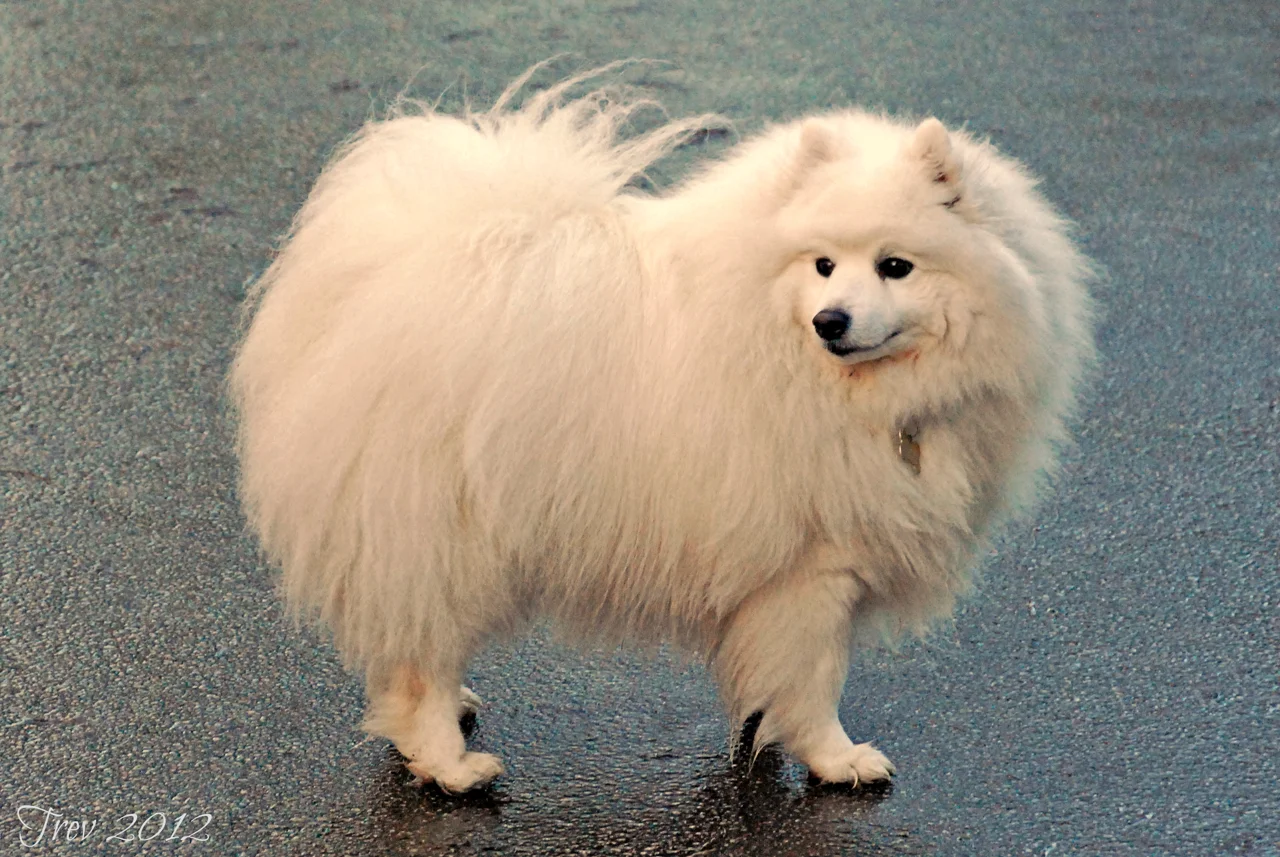
The Japanese Spitz is a separate companion breed. The FCI history describes development in Japan involving imported white Spitz dogs and a Japan Kennel Club standard established in 1948. It should not be presented as another ancient native hunting breed simply because it has a curled tail and Japanese name. FCI Japanese Spitz standard
Dogs Australia describes an affectionate, companionable dog that may be cautious at a first meeting with strangers, with an alert and lively temperament. Its profuse double coat also deserves a realistic grooming plan. A fluffy appearance does not remove the need for exercise, learning and time with people. Dogs Australia Japanese Spitz standard
For a prospective owner, the useful next step is to spend time with adult dogs and ask what daily coat care and companionship involve. Think about an ordinary working week rather than only outings on sunny weekends.
Owner-fit question: Can I provide the company, grooming and regular activity this particular dog needs throughout the year?
Three questions to take to a breeder or rescue
- What can you tell me about this dog’s actual behaviour around people, dogs and everyday household activity? Ask for examples rather than a string of flattering adjectives.
- What health information and relevant screening records are available, and what should I discuss with my own veterinarian? A breed article cannot assess an individual dog.
- What support is available if the transition into my home is difficult? Discuss routines, training and realistic expectations before committing.
Avoid choosing a breed because a viral video makes it look calm, funny or easy to live with. A short clip cannot show the whole day. Meet adults, allow room for individual variation, and be honest about your time and experience.
For training, start with a reward-based approach and professional help where needed. RSPCA Australia recommends classes built around positive reinforcement. The aim is a safe and enjoyable relationship, not a contest over who is more stubborn. RSPCA training-class guidance