Quick answer
Choose a dog sport by looking at what your dog enjoys, what their body can comfortably manage and what you would enjoy learning together. Breed history can suggest activities to explore, but it cannot tell you whether an individual dog will enjoy agility, scent work or a busy flyball class. Start with a suitable beginner session, not a competition entry or an equipment shopping list.
Start with the dog you have
Watch what your dog chooses during everyday activities. Do they linger over smells, enjoy learning little tasks, or stay keenly connected to you while moving? Those observations can help you choose a first class, but they are clues rather than a sporting aptitude test.
Think about the setting, too. A dog who enjoys training at home may find a busy club ground difficult. Tell the instructor about worries around dogs, unfamiliar surfaces or handling before you enrol. Ask whether an introductory visit or individual lesson would be a better start.
Breed history can provide useful background. Our working dog guide explores dogs developed for particular jobs. Your individual dog’s interests, health and learning experience still matter more than an expectation that every member of a breed should enjoy the same sport.
Eight dog sports worth exploring
- Agility: You guide your dog through an obstacle course, which can include jumps, tunnels and contact equipment such as a dog walk. Consider it if you enjoy learning movement and timing together, with appropriate coaching. Dogs Australia agility
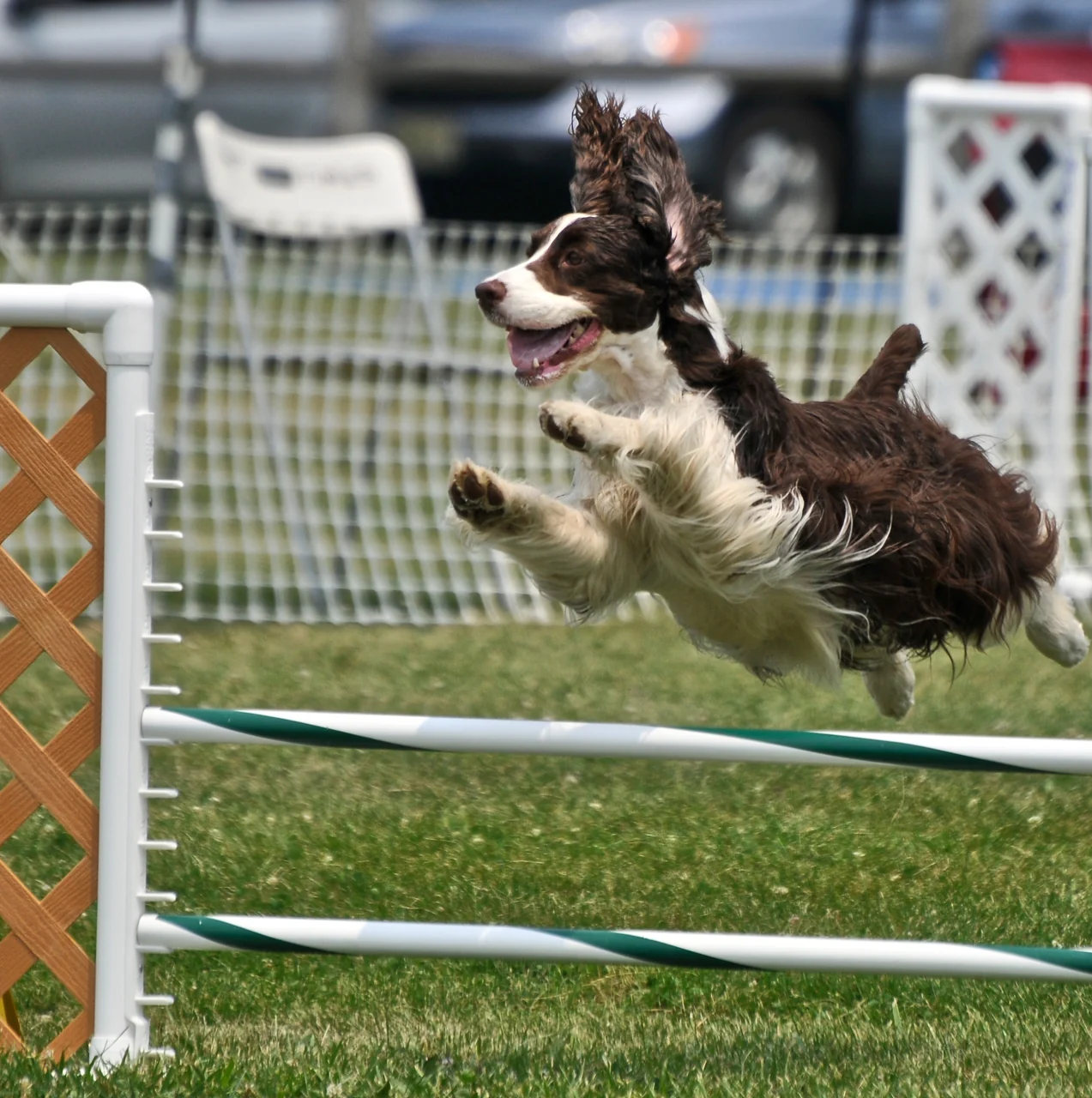
An English Springer Spaniel clears an agility jump during a trial. Competition jumping is not a beginner exercise; start with suitable foundations and coaching.Photo: Bob Jagendorf · Wikimedia Commons source · CC BY 2.0. Resized where necessary and converted to WebP; photo remains under this licence. - Scent work: Your dog learns to find a particular odour and show you where it is. It offers a search-based activity without making jumping the main task. Ask how the search space can be adapted to your dog. Dogs Australia scent work
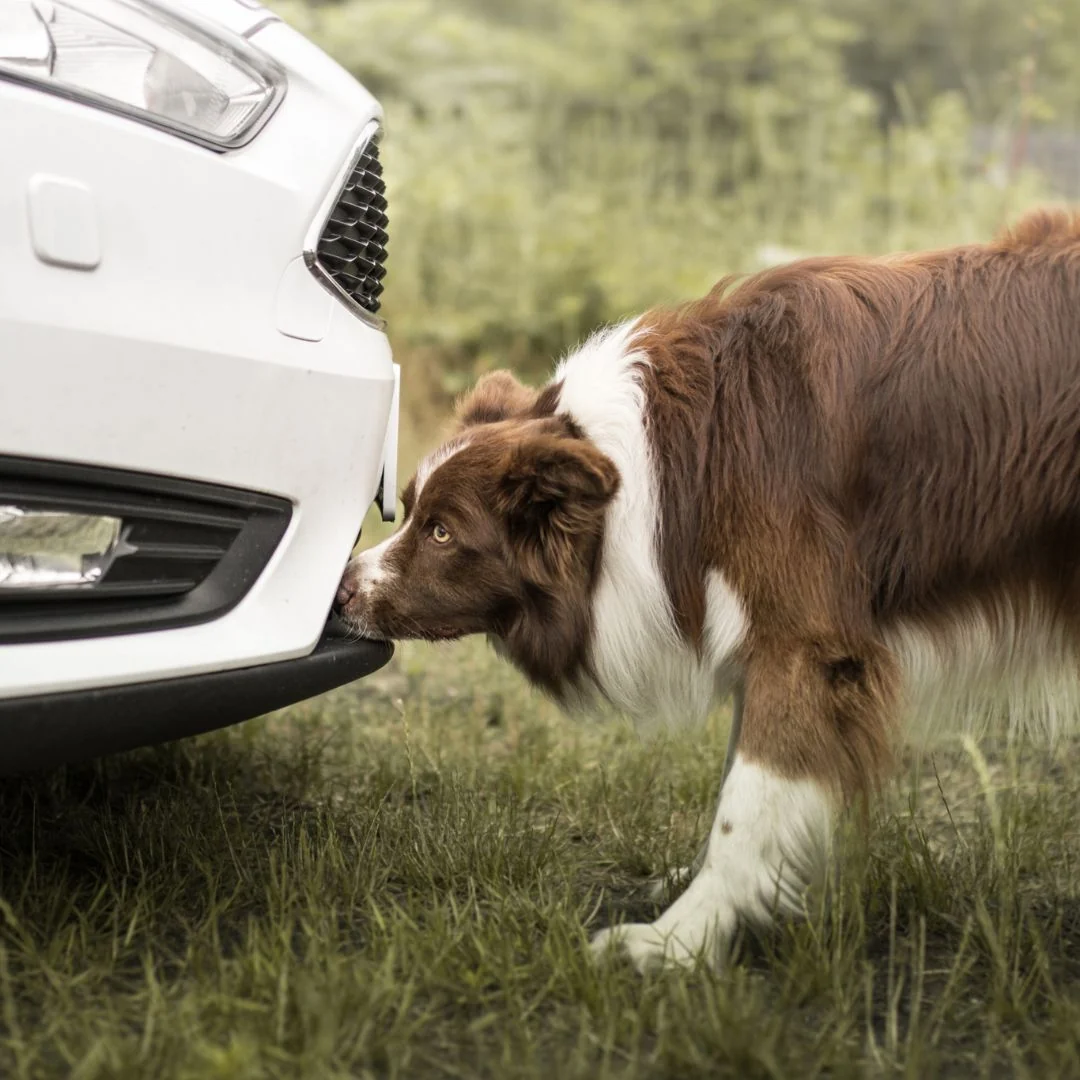
A dog searches a vehicle during nosework training in Poland. Vehicle searches are one example of scent-work activity.Photo: Brave Dogs · Wikimedia Commons source · CC BY-SA 4.0. Resized where necessary and converted to WebP; photo remains under this licence. - Tracking: Your dog follows a scent trail laid by a person, with you following behind. Consider the terrain, travel and outdoor conditions as well as your dog’s interest in sniffing. Dogs Australia tracking
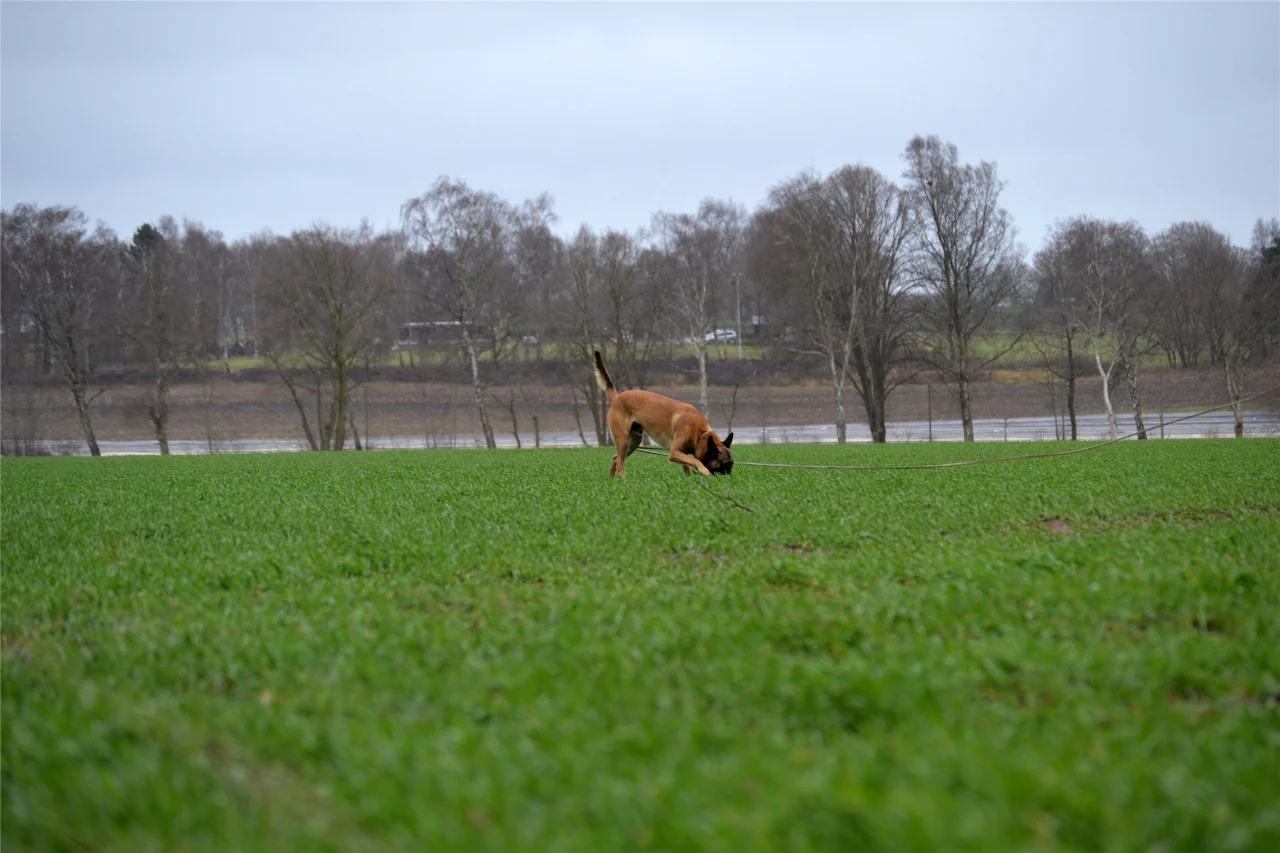
A Belgian Malinois follows a track during the tracking phase of a Schutzhund trial. This illustrates tracking, not an Australian beginner class.Photo: Frank Craddock · Wikimedia Commons source · CC BY-SA 4.0. Resized where necessary and converted to WebP; photo remains under this licence. - Rally: You follow a course of signs that tell you which obedience exercise to perform. It may appeal if you enjoy practising clear cues and moving through a sequence together. Dogs Australia rally
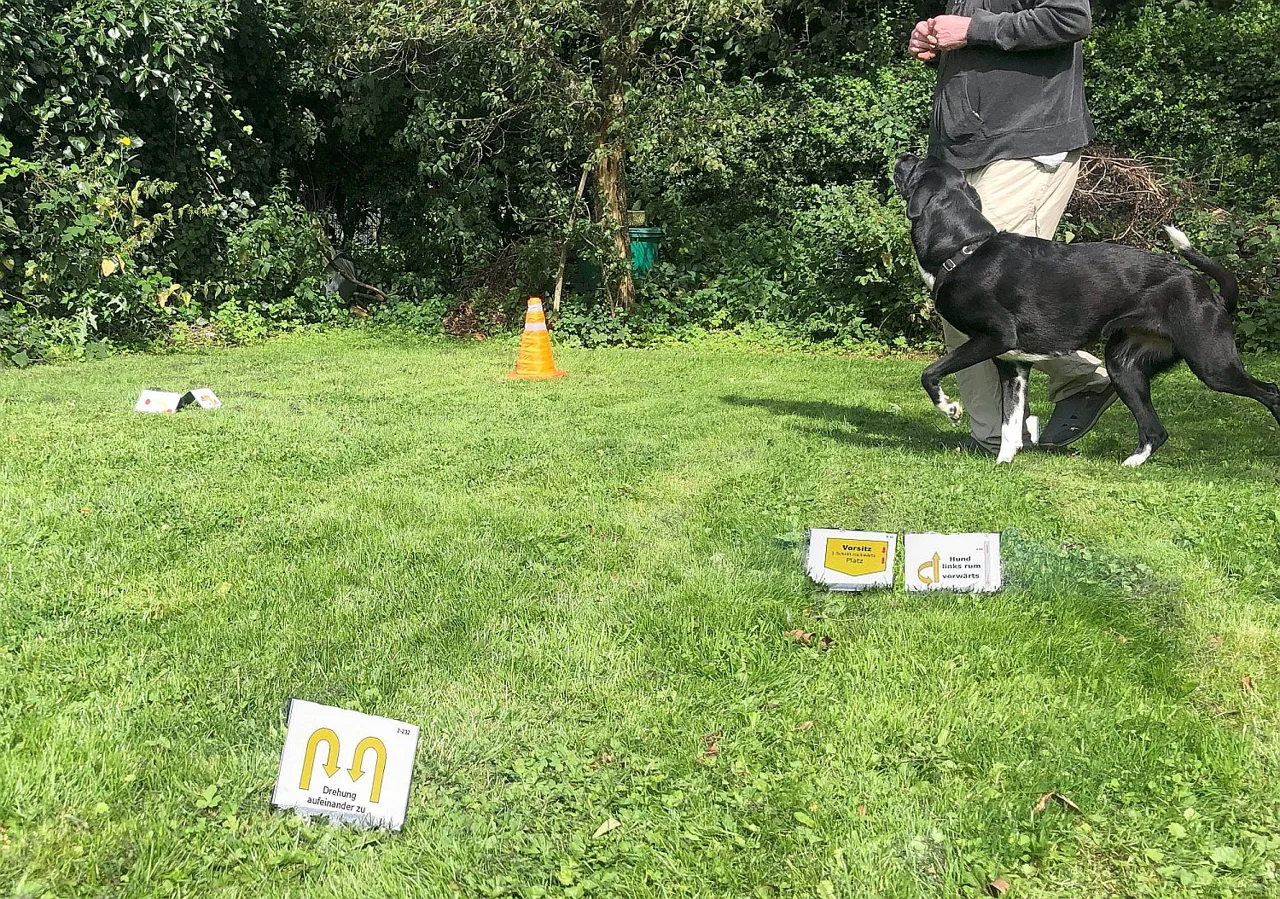
A dog and handler work among exercise signs on a rally-obedience course. Signs and rules vary between organisations.Photo: Caronna · Wikimedia Commons source · CC BY-SA 4.0. Resized where necessary and converted to WebP; photo remains under this licence. - Flyball: Dogs run a team relay, negotiating hurdles, triggering a box to release a ball and returning with it. It may interest owners of dogs who enjoy retrieving, but ball enthusiasm alone does not establish readiness for the speed, turns or group setting. Australian Flyball Association
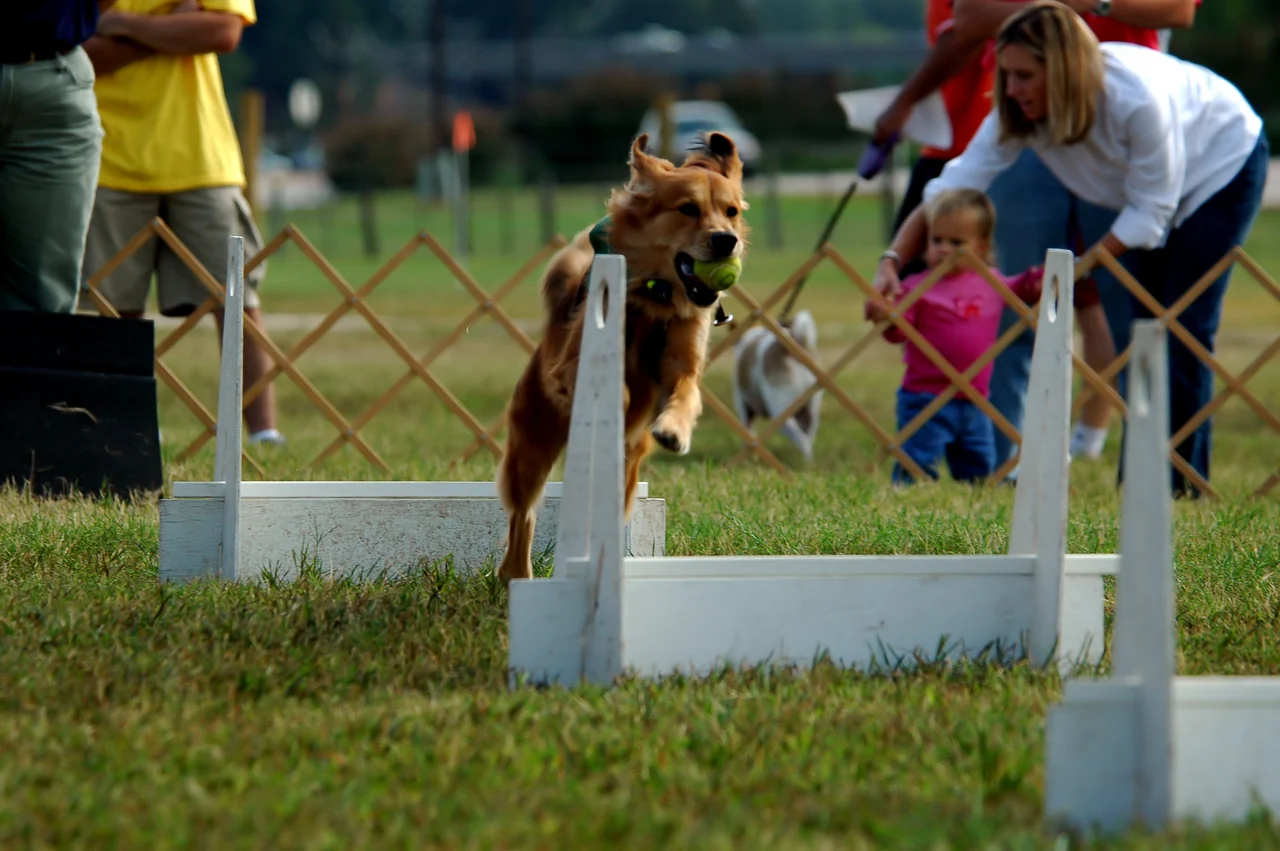
A Golden Retriever returning over hurdles with a ball during a flyball competition.Photo: Jaye Whitmire · Wikimedia Commons source · CC BY-SA 2.0. Resized where necessary and converted to WebP; photo remains under this licence. - Canine disc: Dog and handler work together on disc catching and retrieving, with different competition formats. If your dog enjoys retrieving, ask a coach about suitable foundations and learn accurate throwing yourself. Do not copy spectacular jumping or vaulting routines from social media. Pine Agility Dog Sports disc introduction
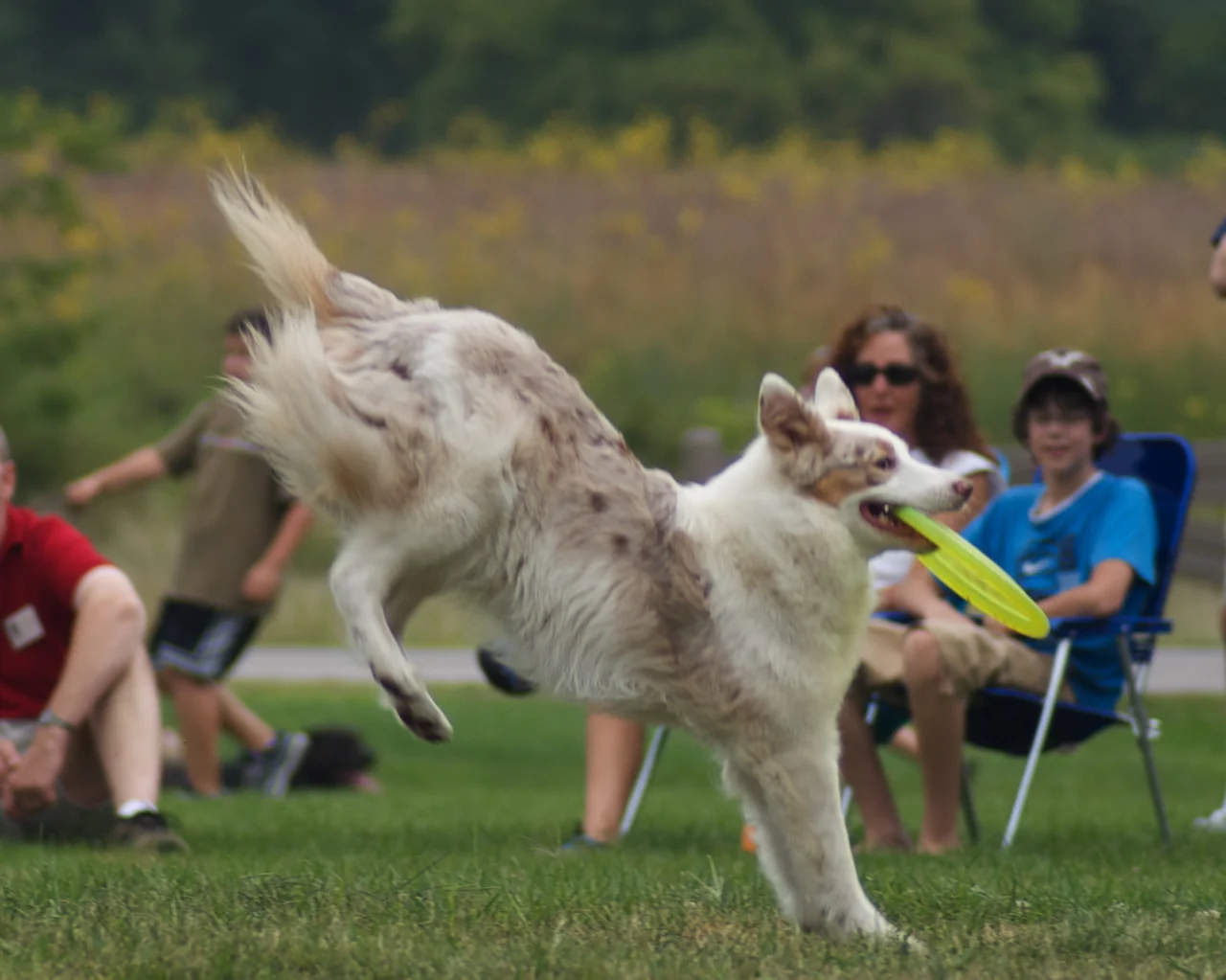
A dog catching a disc at an outdoor event. Build suitable foundations with a coach rather than copying jumping routines.Photo: sally9258 · Wikimedia Commons source · CC BY 2.0. Resized where necessary and converted to WebP; photo remains under this licence. - Lure coursing: A dog chases an artificial lure around a course. It has sighthound roots, including breeds such as Whippets, and options exist beyond sighthounds. It is physically demanding; check current event eligibility, conditioning and individual suitability before entering. Dogs Australia lure coursing
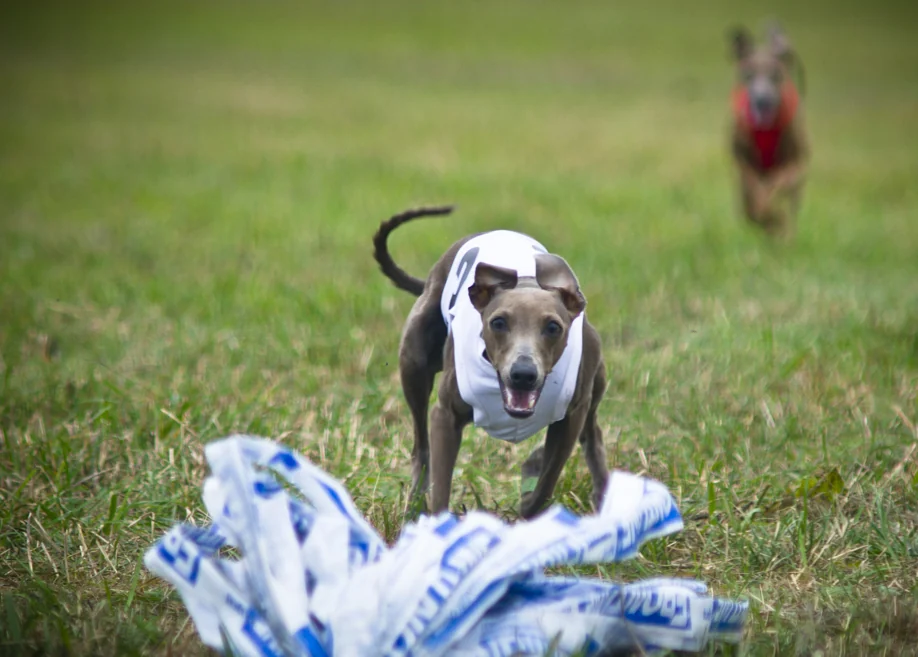
An Italian Greyhound pursuing an artificial lure on a grass course.Photo: CHARTbeat · Wikimedia Commons source · CC BY-SA 4.0. Resized where necessary and converted to WebP; photo remains under this licence. Commons source includes an existing crop by Kleree. - Trick training: You teach individual skills, choosing movements appropriate for your dog. Recreational tricks can stay a home hobby; the formal Trick Dog sport also offers a title pathway. Dogs Australia Trick Dog
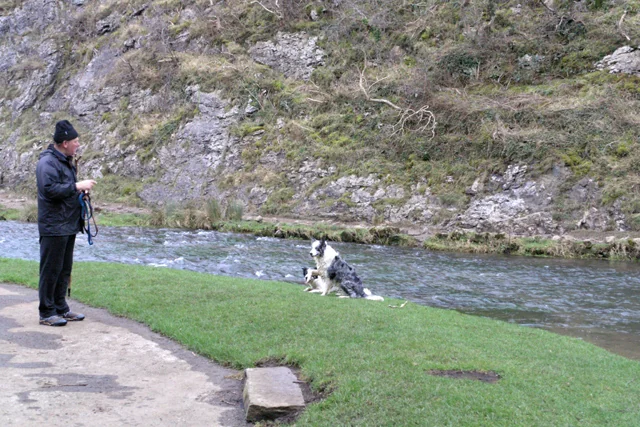
A handler practising a paw-lifting routine with Border Collies in Dovedale. This is a recreational training example, not a formal Trick Dog competition.Photo: David Lally · Wikimedia Commons source · CC BY-SA 2.0. Resized where necessary and converted to WebP; photo remains under this licence.


These are starting points, not a ranking of which sport is best.
How breed tendencies can help you choose
Use the examples below as conversation starters with an instructor, not breed prescriptions. Dogs Australia distinguishes breed temperament from each dog’s individual personality; the RSPCA also advises choosing training activities the particular dog enjoys. Dogs Australia temperament guide, RSPCA training guidance
- Herding breeds: Border Collies and Australian Kelpies have working backgrounds that help explain their reputation for active learning. If your dog enjoys responding to you while moving, agility or rally may be worth a supervised introduction. A working pedigree does not create an obligation to do a fast sport. Border Collie breed background, Kelpie breed background
- Retrievers: A Labrador Retriever who enjoys searching or bringing something back may give you a starting point for scent work or retrieving-based activities. A liking for fetch is only one ingredient in flyball or disc. Dogs Australia describes the Labrador’s use across retrieving, tracking, obedience and agility, rather than limiting the breed to one job. Labrador breed background
- Smaller learners: Shetland Sheepdogs and Poodles are reminders not to dismiss a dog’s training interests because of size or appearance. A beginner can ask about rally, tricks, scent work or appropriately assessed agility. Choose by the dog in front of you, including their comfort around noise and other dogs. Dogs Australia Shetland Sheepdog
- Sighthounds: A Whippet may find a moving lure interesting, reflecting the breed’s chasing history. That is a reason to enquire about a controlled introduction, not to assume every Whippet wants to run or is fit to do so. Whippet Association of Victoria
A mixed-breed dog needs no guessed ancestry to choose a first activity. Observe what they enjoy and discuss it with the trainer. A small dog, including a Chihuahua, deserves the same individual consideration rather than being written off as “only a lap dog”.
Match the activity to both of you
Before higher-impact work, discuss your dog’s readiness with your vet and a suitably qualified, experienced coach. Be particularly careful about assumptions for dachshunds, growing dogs and dogs with existing health concerns. A smaller jump or a class described as low impact is not automatic clearance for an individual dog.
Your own needs count. Think about footing, running, bending, handling a lead, transport and the time you can regularly give. Ask to watch a class before committing. A course you can attend consistently is a more useful starting point than an impressive-looking sport that does not fit your week.
Try a class before buying equipment
Choose one activity to investigate first. Contact a nearby club, describe your dog honestly and ask about its next beginner intake. In Queensland, the Dogs Queensland affiliated club directory is a useful starting place; elsewhere, check your state or territory canine body.
Ask for the total cost, including membership, course fees and any required equipment. Check what happens if weather cancels a session or your dog needs a different starting class. Borrowing or using club equipment, where offered, lets you learn what you actually need.
Checklist for choosing a class
- Does the instructor use reward-based methods? The RSPCA recommends this approach.
- Will the instructor explain prerequisites and assess individual readiness?
- Can dogs have space and quiet breaks between turns?
- Are surfaces, equipment and weather conditions considered?
- Can exercises be changed or stopped without pressure?
- Are recreational teams welcome, even if they never compete?
Frequently asked questions
Does my dog need to be a purebred?
Not necessarily. Mixed-breed dogs have routes into many dog sports. Formal participation has registration requirements; Dogs Victoria’s register guidance explains one example. Ask the relevant organisation which pathway applies to your dog and chosen sport.
Do we have to compete?
No. You can look for a class focused on enjoyment and learning. Say that when you enquire, because some clubs are more competition-focused than others. Training participation and eligibility for a formal trial are different questions.
Which sport will tire my dog out most?
Choose for enjoyment and suitability rather than exhaustion. Start with manageable tasks and watch how your dog responds during and after the session. A sport should fit alongside their ordinary care and rest, not become a reason to keep increasing the workload.
Sources
- Dogs Australia sport overviews: agility, scent work, tracking, rally and Trick Dog.
- Dogs Queensland affiliated clubs.
- RSPCA Australia reward-based training.
- Dogs Victoria pedigrees and registrations FAQ.
- Australian Flyball Association sport explanation and Canine Disc Australia.
- Pine Agility Dog Sports canine disc introduction and Dogs Australia lure coursing.
- Breed context: Dogs Australia temperament guide, Border Collie, Labrador Retriever, Shetland Sheepdog, Dogs Victoria Australian Kelpie and Whippet Association of Victoria.
- RSPCA Australia choosing training activities and methods.