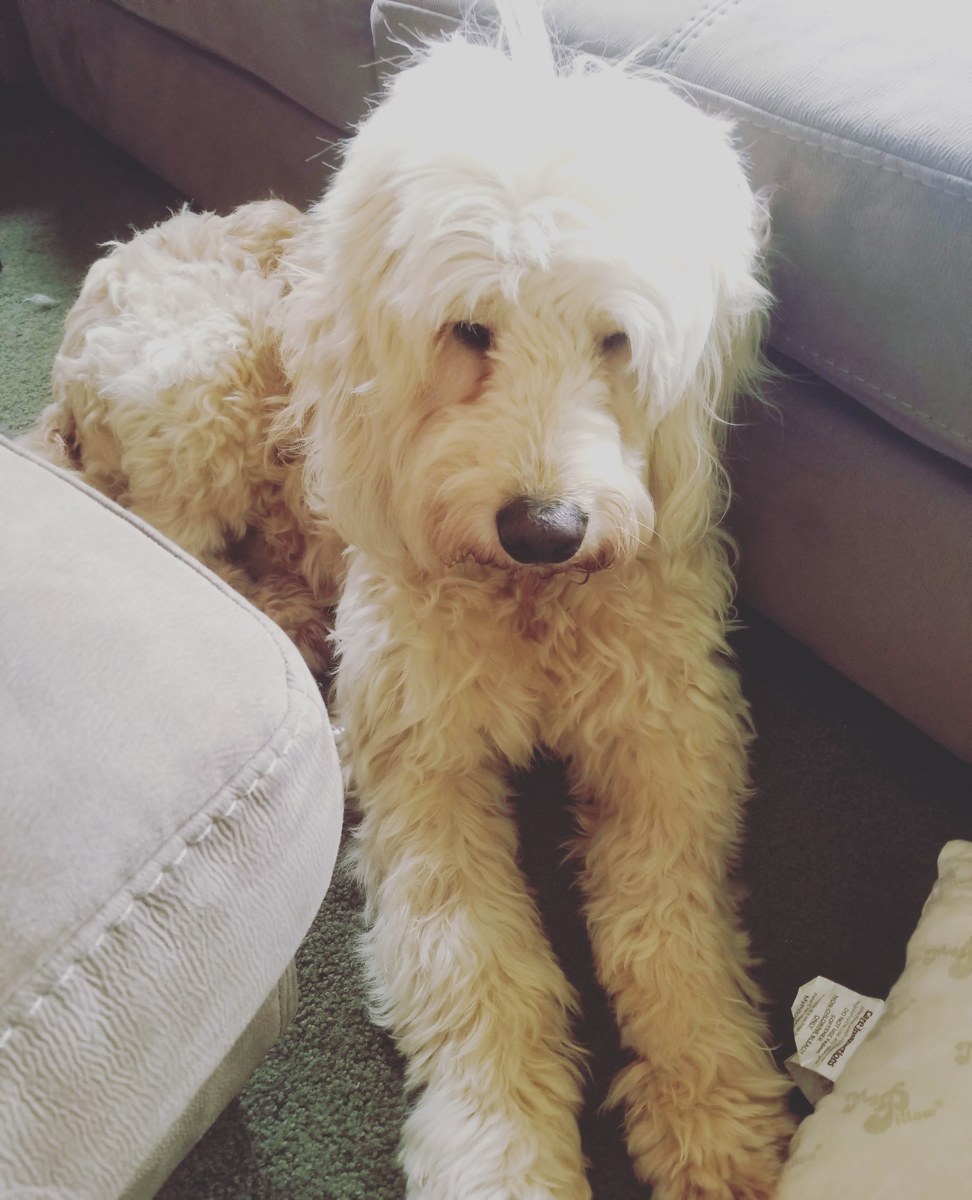

A Groodle, known in many countries as a Goldendoodle, has Golden Retriever and Poodle ancestry. The idea of an affectionate, clever family companion is appealing. What matters is whether a particular dog fits the time, space and care you can realistically provide. A name or puppy photograph cannot settle that question.
Why people consider a Groodle
Some prospective owners already love Golden Retrievers; others are drawn to a curly-looking dog or want an enthusiastic companion for daily activities. Those preferences are worth acknowledging without turning them into promises. The family dog you hope for still needs careful selection, patient training and ongoing care.
Ask about both parents' temperament, the Poodle variety and the adult dogs in the family line. If somebody promises the same easy personality in every puppy, ask how they have assessed the individuals. A cross does not reliably select only the traits a buyer wants.
How big will it grow?
There is no single adult size that covers every Groodle. “Mini”, “medium” and “standard” labels are not a universal measuring system. Request the parents' measured height and weight and discuss the uncertainty around a puppy's eventual size.
Think ahead to travel restraints, lifting an unwell dog, boarding arrangements and whether every regular walker can manage the likely adult. A larger dog does not necessarily need a huge house, but its practical needs still have to fit the household. An adult adoption can make the size question easier to answer.
Life with an enthusiastic youngster
For an energetic individual, combine daily activity with learning to relax. Short reward-based sessions can cover calm greetings, recall, walking beside you, handling and resting while the family eats. Do not wait until an adolescent is jumping on visitors to decide what behaviour you want instead.
Choose enjoyable activities around the dog's health, age and preferences. Sniffing walks and simple search games provide a different kind of engagement from fast play. Provide a quiet retreat and supervise children; being described as “family-friendly” does not remove the need for boundaries or safe handling.
Grooming and allergy expectations
Straight, wavy and curly coats are possible, and upkeep can be substantial. Have a groomer explain how to check through the coat gently, what tools suit it and which style you can maintain between appointments. Reserve money as well as time for this job.
A Groodle is not guaranteed to shed little or suit an allergic person. AAAAI explains why no dog breed is truly hypoallergenic. Choose with your household's medical needs in mind, not a seller's allergy assurance.
Health questions for the breeder or rescue
For Golden Retriever ancestry, the Golden Retriever Club of America identifies hips, elbows, eyes and heart as important parental screening areas. Ask how these and the appropriate Poodle assessments were addressed, and request actual results rather than a “fully tested” slogan. Discuss family health history with your veterinarian as well; no test list predicts every future problem.
A Groodle may be a rewarding match when you genuinely want an involved dog and accept the uncertainty and coat-care workload. If your non-negotiables are exact size, effortless grooming or a guaranteed calm puppy, reconsider those expectations before choosing any crossbreed.