

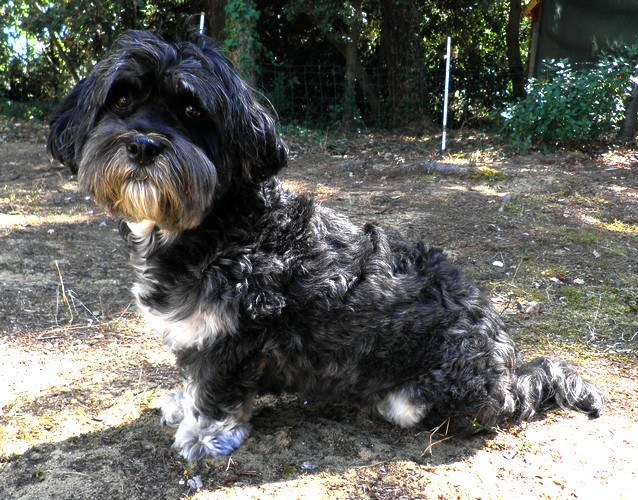

The Maltese Shih Tzu cross is often called a Malshi. It may appeal to someone seeking a small companion, but “small” and “easy” are not interchangeable. Coat, face shape, confidence and activity needs can vary. The cross name cannot promise a quiet apartment dog, an allergy-safe coat or freedom from the health concerns found in either parent line.
Could this dog fit your home?
Look for the individual dog's response to ordinary life. Does it approach willingly, enjoy gentle handling and settle when nothing exciting is happening? Ask what happens around visitors, children, other animals and short periods alone. A puppy needs patient learning opportunities; an adult rescue may already have a useful record of home behaviour.
Plan daily walks suited to the dog's ability, gentle play, sniffing opportunities and short reward-based training sessions. A small dog still needs to learn comfortable grooming, toilet routines and relaxed time apart. Carrying it everywhere is not a substitute for safe exploration. At the same time, do not expect it to keep up with strenuous activity simply because another small dog can.
Supervise children and teach them to interact at the dog's level without grabbing or lifting. Provide a quiet bed or gated space where the dog can rest undisturbed. If you work outside the home for long stretches, arrange help with company and toilet breaks before committing.
The coat is an ongoing responsibility
Ask a groomer to demonstrate how to comb the individual coat thoroughly, particularly behind the ears and where a harness rubs. A practical short trim may help manage upkeep, but it does not remove the need for regular attention. Budget for grooming throughout the dog's life, including when family circumstances change.
Keep hair from interfering with the eyes and ask a professional for help rather than attempting risky trimming close to them. Dental care also matters: the American Maltese Association health statement highlights dental maintenance alongside other health considerations. No coat description can guarantee that a person with allergies will tolerate the dog.
Do not dismiss breathing problems
Shih Tzu ancestry is relevant because the parent breed can be affected by brachycephalic obstructive airway syndrome. This does not diagnose every Malshi, but it means facial appearance and breathing comfort deserve individual veterinary assessment. Cornell's BOAS guidance includes Shih Tzus among affected breeds. Persistent noisy or laboured breathing is not an endearing feature to ignore. Breathing distress or collapse needs urgent care.
Ask for the parents' health records and discuss the actual family lines with your vet. Maltese guidance includes patella and cardiac assessment and discussion of liver health. The American Shih Tzu Club's breeder guidelines emphasise screening before breeding and openness about inherited problems. Ask what was assessed, when, by whom and with what results; a general puppy examination is not a substitute for appropriate parental screening.
Best fit: a household that values daily companionship and can maintain grooming, training and veterinary care. Be wary of premium prices attached to “teacup” or guaranteed-healthy marketing. Choose sound welfare and a realistic match, whether adopting an adult or considering a carefully raised puppy.
Source check: 27 October 2026. No guaranteed size, lifespan, allergy status or cross-specific disease rate asserted.