Why include designer-crossbreed information?
A Cavoodle is not a small Groodle, a curly coat is not a health certificate, and a memorable name does not tell you whether a dog will fit your home. Designer-crossbreed profiles are useful because they help readers look beyond the photograph and ask better questions before buying or adopting.
People may be attracted to these dogs because they like both parent breeds, want a particular size or appearance, or have met an individual they adored. Those are starting points for research, not promises about the next puppy. Our aim is neither to sell designer dogs nor dismiss their owners. It is to explain the care commitment, separate evidence from marketing and put the individual dog's welfare first.
What does “designer” actually mean?
The term generally describes an intentionally planned cross between named breeds. It does not mean the dog has been designed to a guaranteed specification. Some dogs are first-generation crosses; others have crossbred parents or several generations of breeding behind them. Ask what the actual ancestry is rather than relying on a label such as “F1B”, “mini” or “teddy bear”.
This series covers Cavoodle/Cavapoo, Cockapoo/Spoodle, Labradoodle, Groodle/Goldendoodle, Maltipoo, Schnoodle, Cavachon, Pomsky, Puggle and Maltese Shih Tzu/Malshi. They are an editorial selection of familiar crosses, not the ten best dogs or a verified top-ten popularity chart. Including a cross is not an endorsement of every breeding practice associated with it.
Why a profile cannot predict a puppy
Knowing the parent breeds helps you prepare, but inherited traits do not combine into a neat average. Size, energy, shedding, sociability and behaviour can differ between littermates. A photograph also cannot prove ancestry. Where we show a named cross, the source should identify it as that cross; appearance alone is not enough.
Treat the profiles as questions to investigate. Meet the dog, learn about the parents and discuss the household routine. An adult rescue or rehomed dog may offer a clearer picture of its size, coat and established behaviour, although settling into a new home can reveal new needs.
Are designer crosses healthier?
Not automatically. A 2024 study of 9,402 UK dogs compared owner-reported disorders in Cavapoos, Cockapoos and Labradoodles with their parent breeds. Most comparisons found no statistically significant difference. That does not prove every cross is equally healthy: the study examined three crosses, dogs up to five years old and particular disorders, rather than lifetime health in all designer dogs.
For a puppy, request the actual parents' relevant health-screening results. Ask a veterinarian to help interpret them. A large DNA panel cannot replace clinical assessments such as appropriate eye, joint or heart screening. Equally, the OFA explains that a CHIC number records completion and public availability of specified tests—not necessarily normal results. No screening programme eliminates every possible illness.
What about shedding and allergies?
A Poodle ancestor does not guarantee a non-shedding coat. Nor does less visible hair mean allergy-free: AAAAI explains that dog allergens occur in substances including dander and saliva, and no breed is truly hypoallergenic. Anyone with allergies should discuss the decision with their doctor or allergist; a brief comfortable visit is not a guarantee of long-term tolerance.
Coat care belongs in the budget from the start. Ask a groomer what maintaining that particular adult coat involves, including home brushing, appointments and what to do if matting develops.
Before you choose
Write down the time available for walks, training, company and grooming. Discuss safe interactions with children and existing pets. Ask about the dog's early experiences, veterinary records and support if the placement does not work. A responsible conversation should welcome questions rather than rush a deposit. The RSPCA's puppy-buying guidance explains why seeing the mother and upbringing, and checking health paperwork, matter.
Choose the dog whose needs you can meet—not the name with the most appealing promise.
Meet the ten crossbreeds
An editorial selection of familiar names—not a measured popularity ranking.
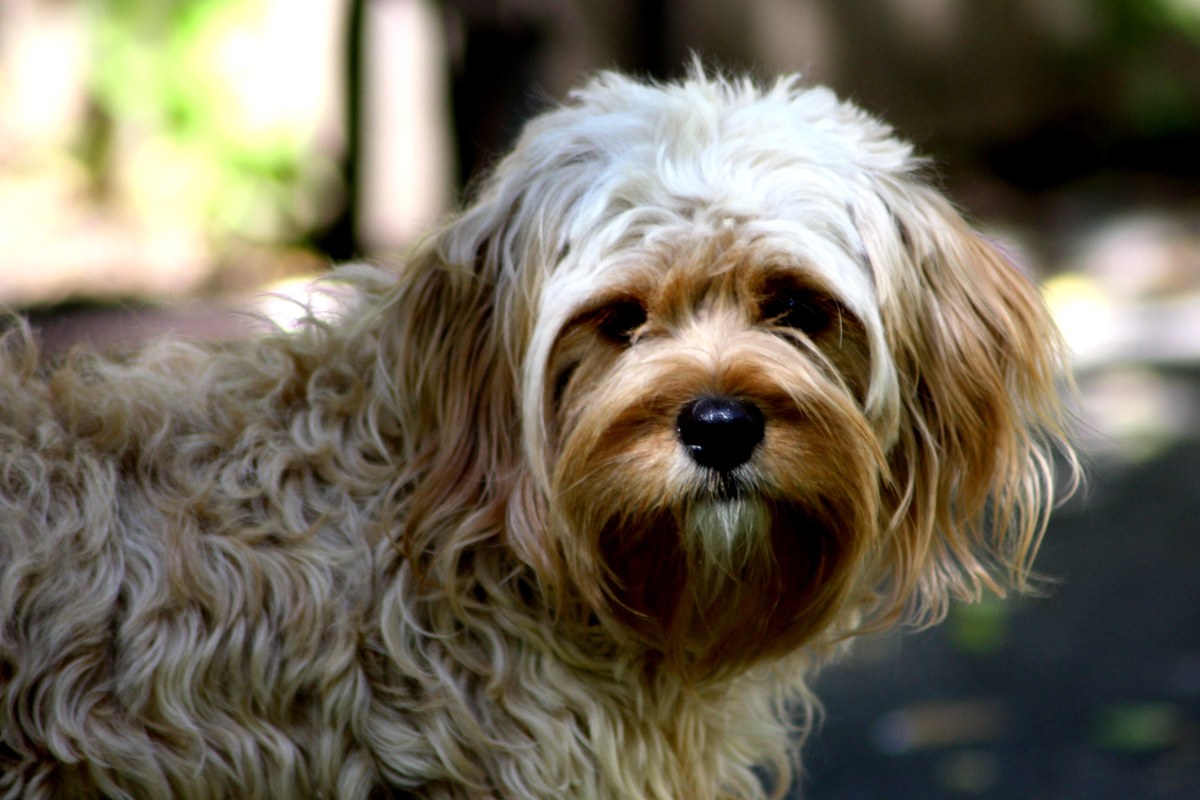
Cavoodle / Cavapoo
Read the profile and photograph attribution →
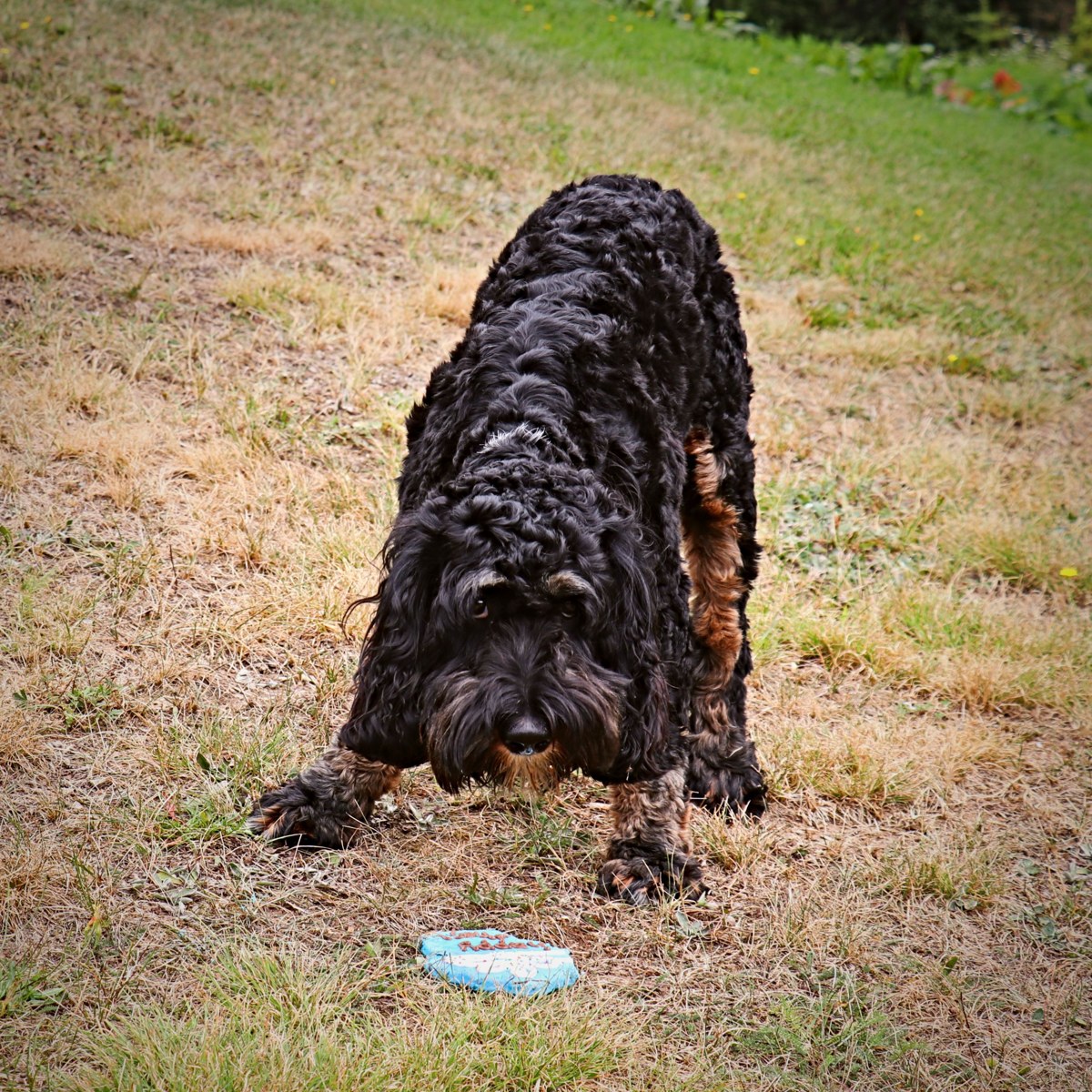
Cockapoo / Spoodle
Read the profile and photograph attribution →
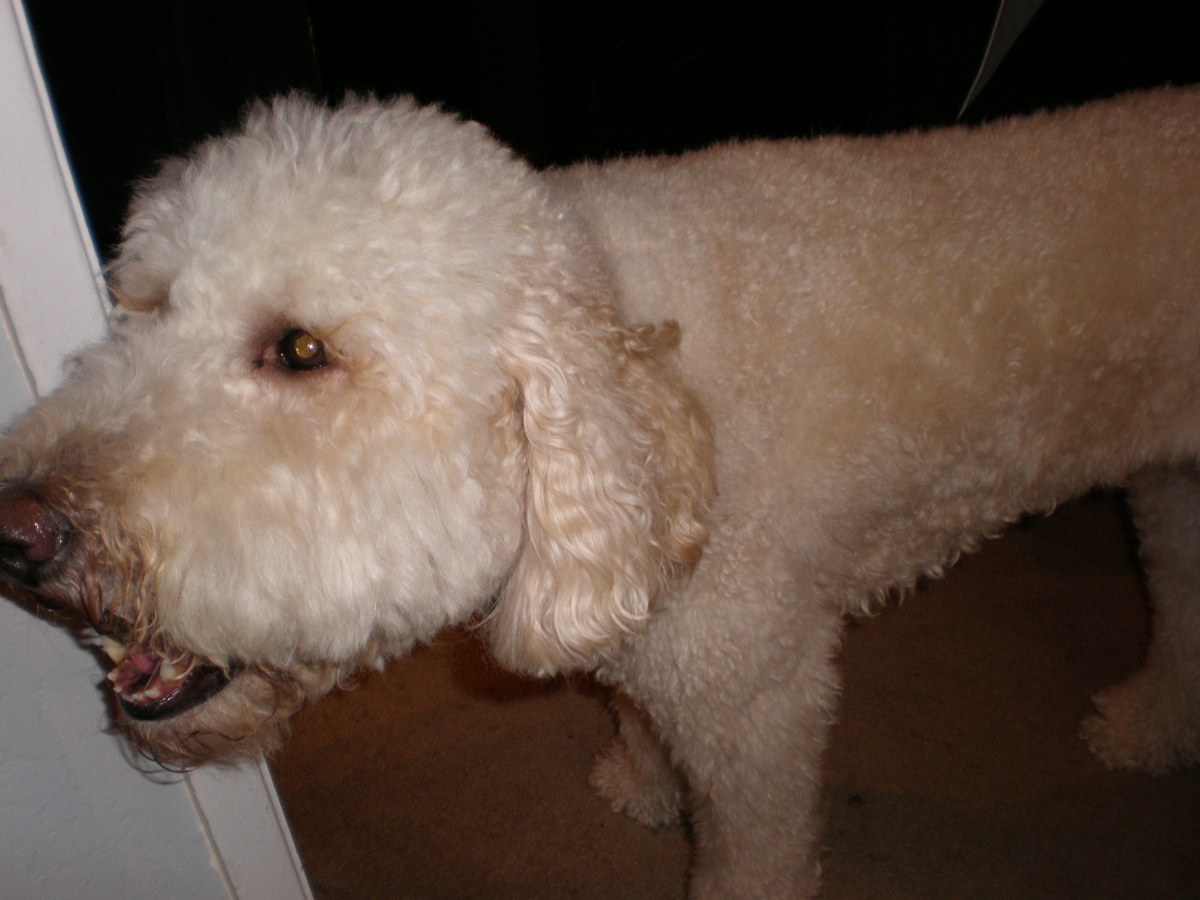
Labradoodle
Read the profile and photograph attribution →
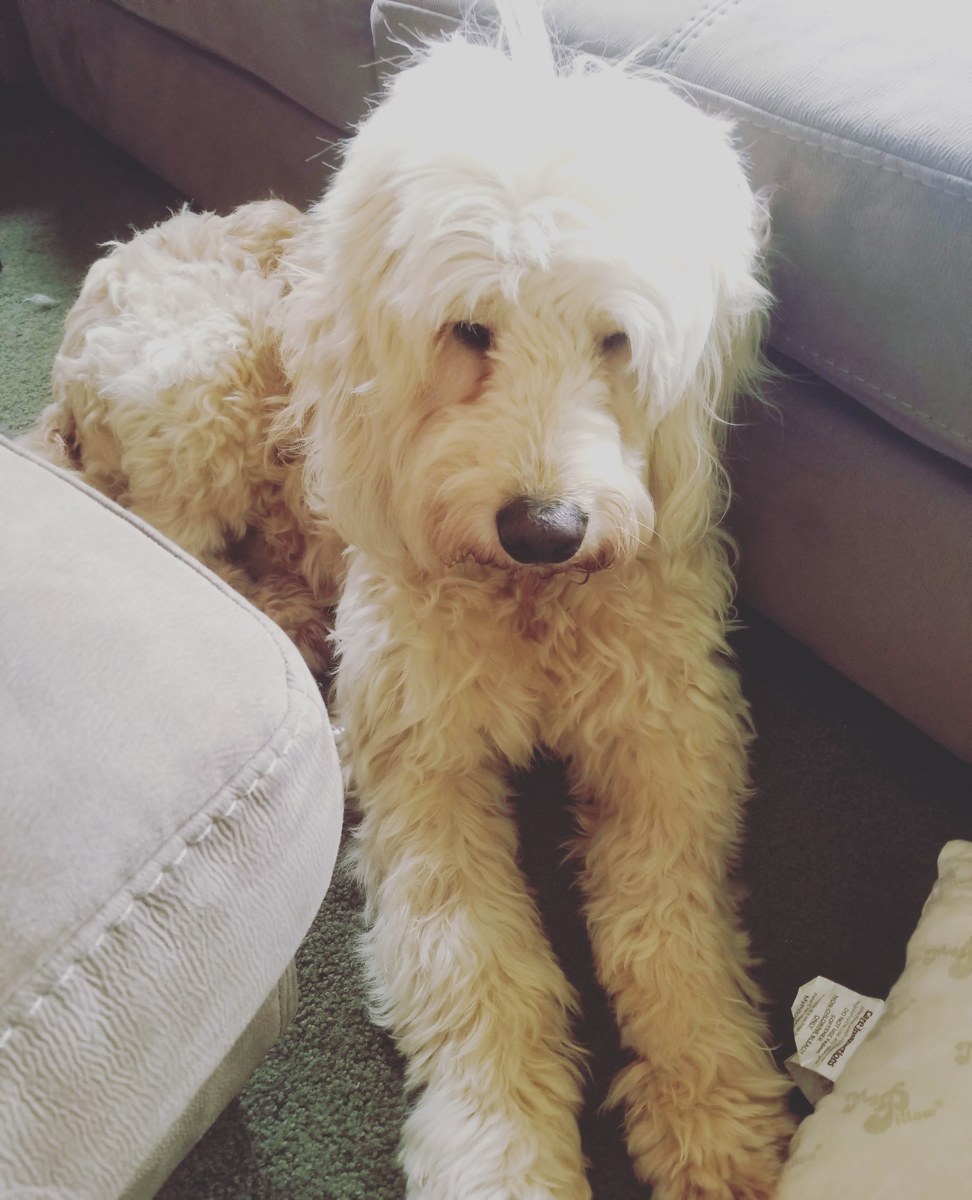
Groodle / Goldendoodle
Read the profile and photograph attribution →
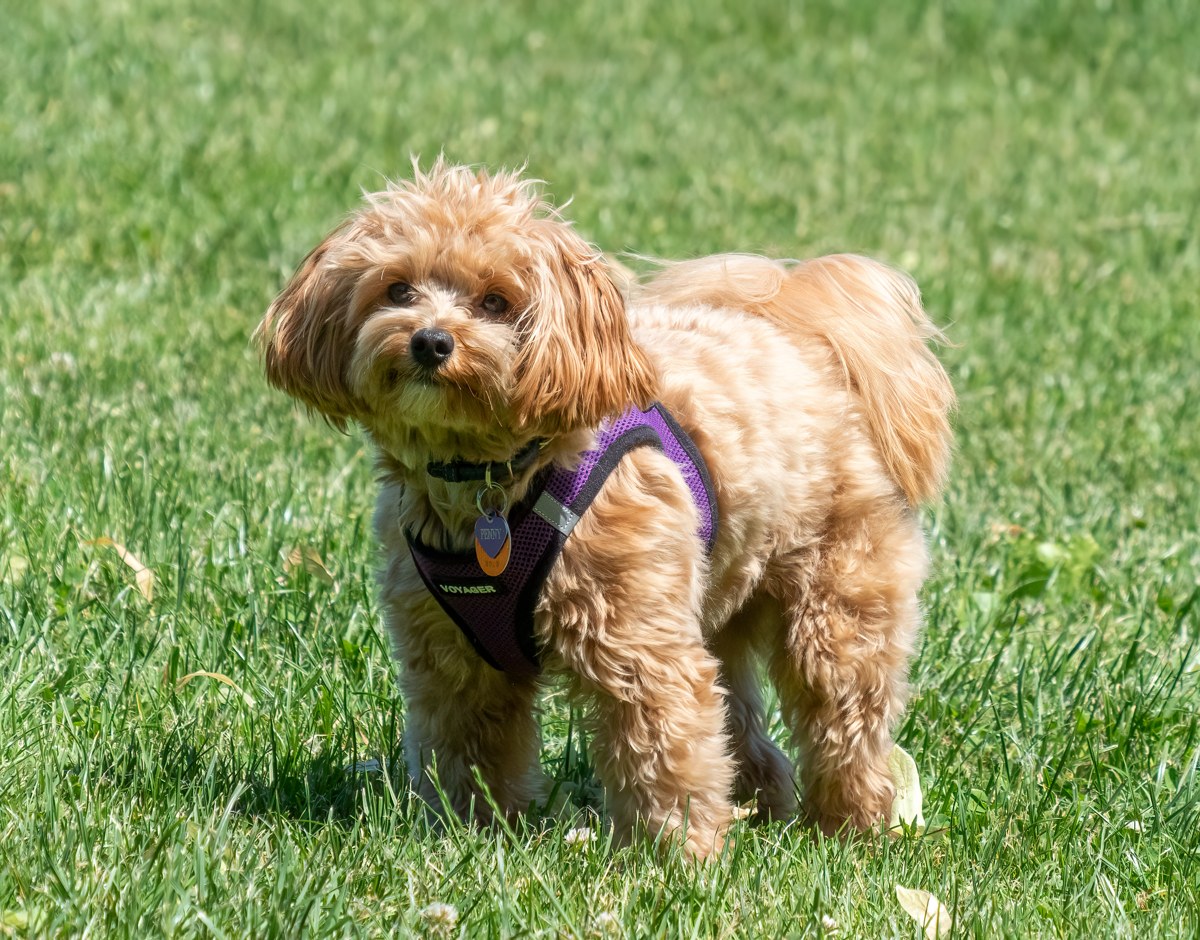
Maltipoo
Read the profile and photograph attribution →
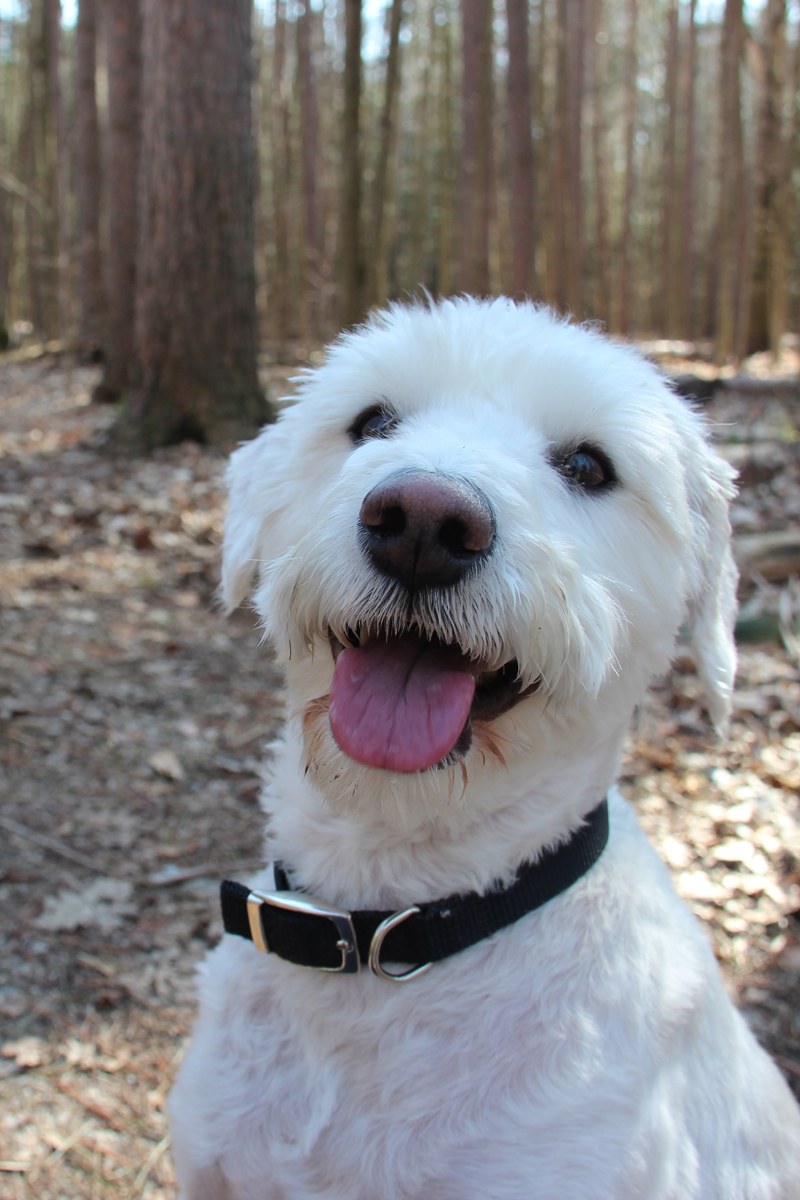
Schnoodle
Read the profile and photograph attribution →
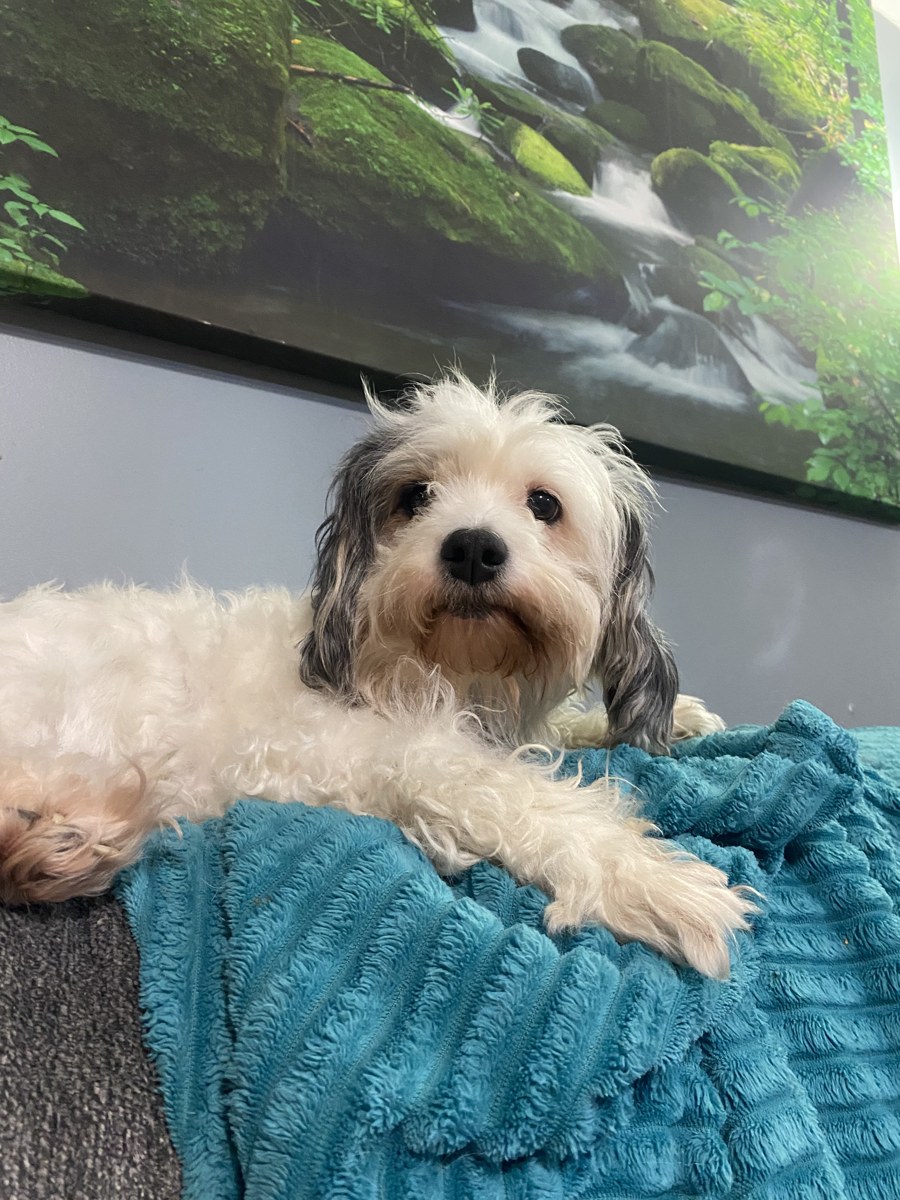
Cavachon
Read the profile and photograph attribution →
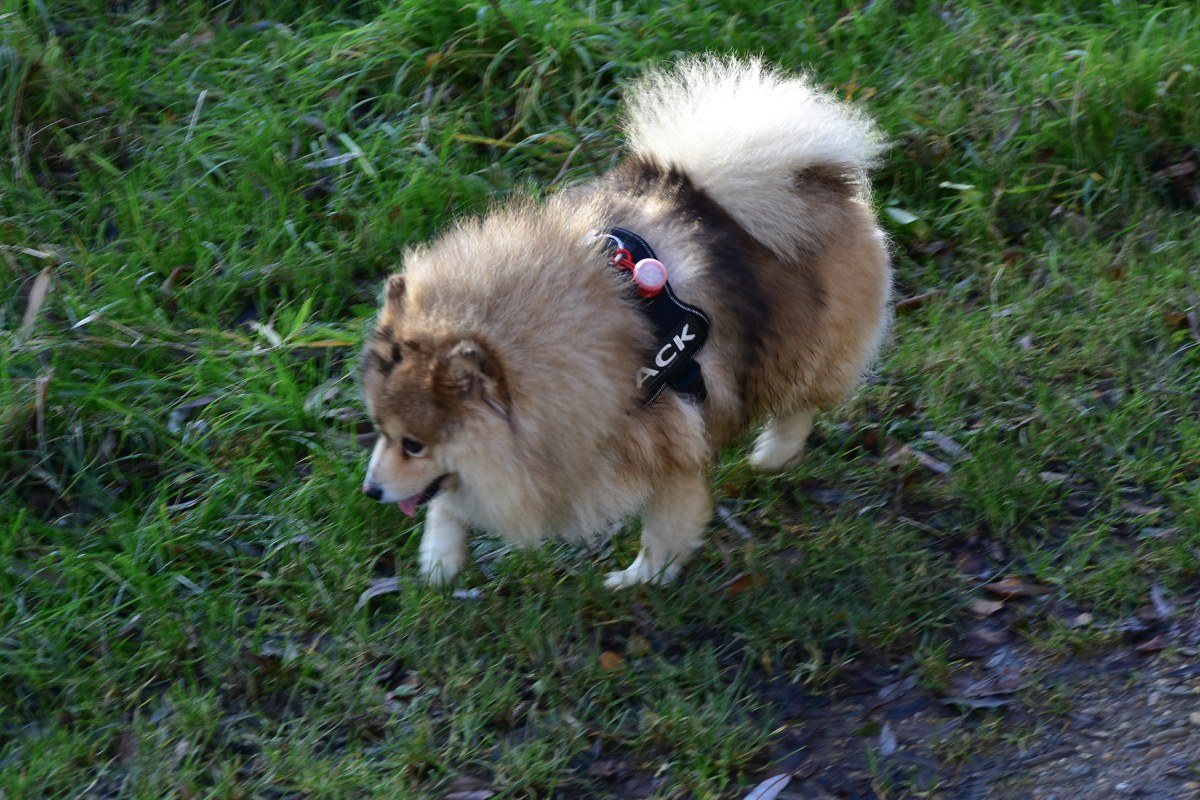
Pomsky
Read the profile and photograph attribution →
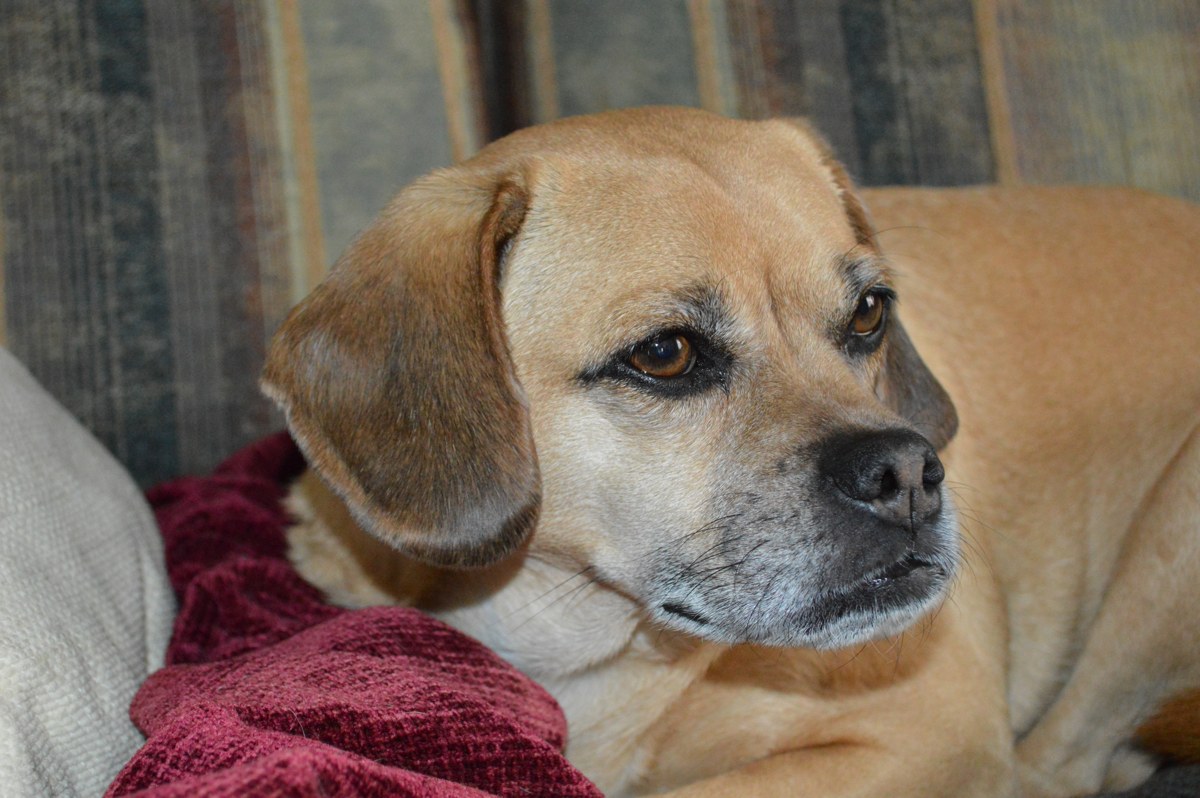
Puggle
Read the profile and photograph attribution →
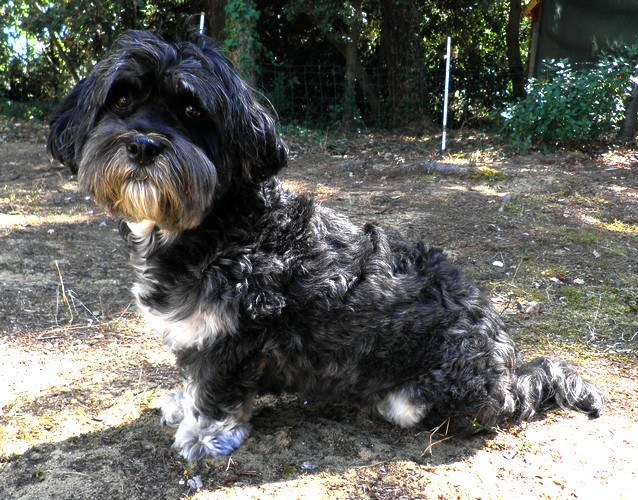
Maltese Shih Tzu / Malshi
Read the profile and photograph attribution →